
Future Workforce Planning: 5 Steps to Align Talent with Strategy (2026)
Future workforce planning in 2026 helps align hiring, skills, and budgets. Learn how to forecast talent needs and make faster, data-driven decisions.

Introduction
Is your organization prepared for the workforce of tomorrow? As technology advances and business needs shift, aligning talent with long-term goals has become more important than ever. The challenge lies in making strategic decisions today that will shape the future of your business.
According to Mercer’s Global Talent Trends 2026 report, which surveyed nearly 12,000 executives, HR leaders, employees, and investors, organizations are increasingly redesigning work to combine human capabilities with automation and AI. This shift highlights the need for a more proactive approach to workforce planning, as traditional methods are no longer enough.
Strategic future workforce planning helps organizations anticipate skills gaps, align talent with business objectives, and remain adaptable to change. In this article, you’ll explore how to develop a workforce plan that prepares your business for the challenges ahead and drives success.
Quick look
- Future workforce planning aligns hiring, skills, and budgets with long-term business goals instead of reacting to immediate needs.
- A structured approach helps you translate business strategy into clear workforce requirements and timelines.
- Regular gap analysis highlights where your current workforce lacks critical skills or capacity.
- Technology enables real-time workforce visibility, scenario planning, and faster approvals.
- CandorIQ centralizes compensation and headcount planning into one system with real-time insights. This helps you reduce approval delays, control workforce costs, and make faster, aligned decisions.
What is Future Workforce Planning? A Roadmap to Business Success
Strategic workforce planning involves understanding your organization's current workforce, forecasting future talent needs, and aligning those needs with your business objectives. It’s no longer about simply filling roles; it’s about ensuring that your talent strategy grows alongside your business.
By anticipating future workforce needs, you can ensure you have the right talent in place when it’s needed most. This proactive approach enables businesses to avoid talent gaps and misalignments with key objectives, allowing for a smoother transition into future growth.
Future workforce planning helps businesses stay ahead of challenges and meet their evolving goals by aligning skills and roles with long-term strategy.
Now that you understand the basics of workforce planning, let’s look into why it is essential for businesses today.
.png)
Why Strategic Workforce Planning is Essential for Business Growth?
Strategic workforce planning is a vital process that ensures your organization is always equipped with the right talent to meet business goals. By aligning your workforce with the company’s strategic objectives, you can avoid talent shortages, reduce operational risks, and fuel sustainable growth.
Key Benefits of Strategic Workforce Planning:
- Aligns Talent with Key Business Initiatives: Helps you forecast which roles and skills will be needed to support upcoming product launches, market expansion, or digital transformation.
- Prevents Skill Gaps from Slowing Growth: By regularly analyzing your workforce, you can pinpoint current and future skills gaps, ensuring you’re always equipped with the right expertise.
- Optimizes Talent Investment: Instead of hiring blindly, strategic workforce planning allows you to prioritize investment in upskilling your current workforce or targeting high-impact hiring needs.
- Improves Organizational Agility: In times of uncertainty or change, a strong workforce plan helps your business remain flexible by adapting quickly to new technologies, market shifts, or competitive challenges.
- Strengthens Talent Retention: By aligning workforce strategies with employee development and compensation plans, you ensure that your key talent remains engaged and committed to the company’s vision.
With a clearer understanding of why workforce planning is crucial, let’s now look at the five essential steps you can take to build a workforce plan that directly aligns with your long-term business strategy.
Also Read: What is Workforce Capacity Planning in 2026
5 Key Steps to Build a Future-Proof Workforce Plan
Creating a future workforce plan requires a structured approach that combines data, strategic alignment, and flexibility. Here’s a breakdown of the essential steps:
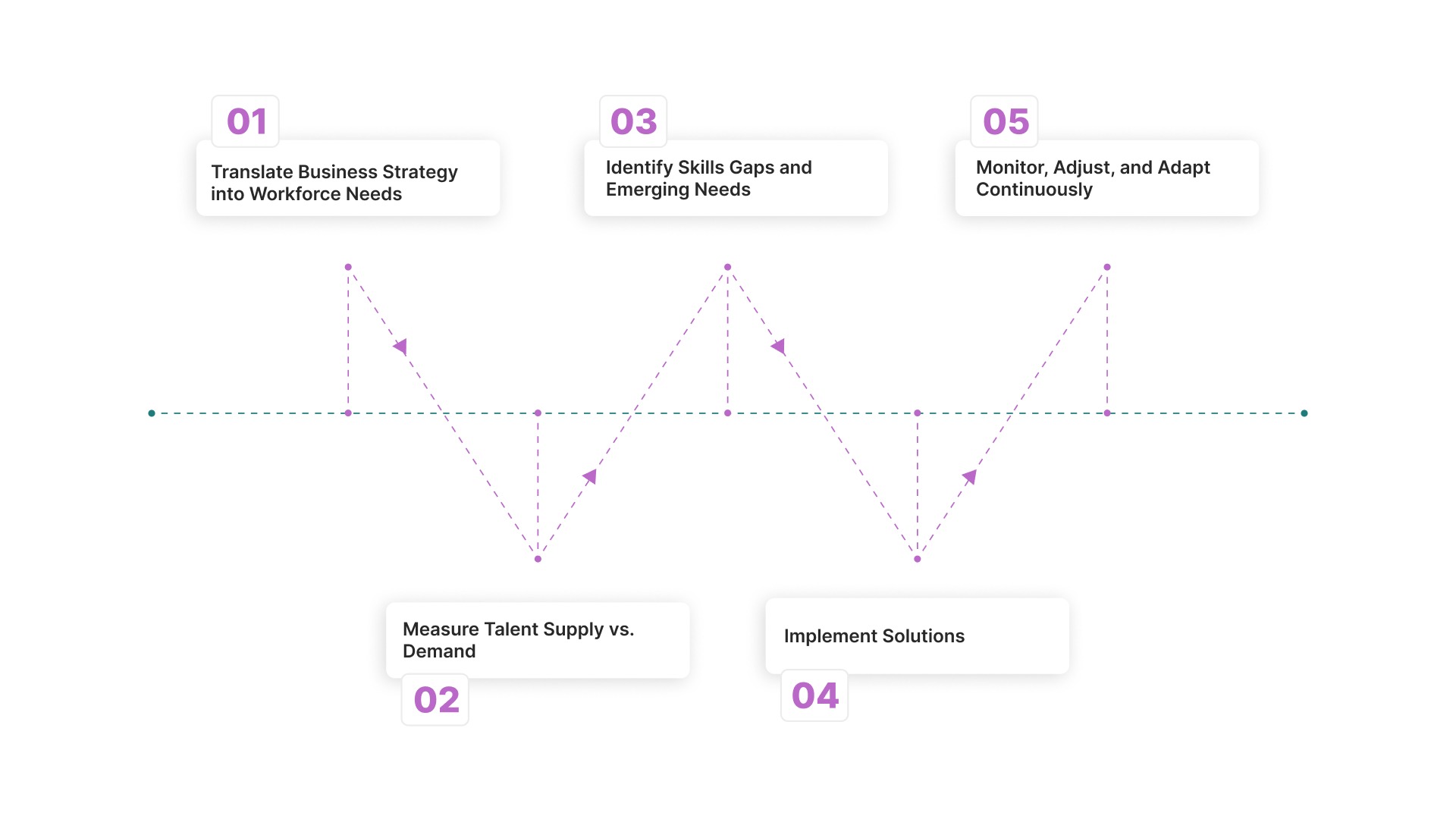
Step 1: Translate Business Strategy into Workforce Needs
- What it means: Start by understanding your company’s long-term objectives. Identify the specific roles, skills, and talent capacity required to achieve these goals.
- Why it matters: Ensuring your workforce is aligned with business priorities means that every hire or development initiative directly contributes to the organization's growth.
Step 2: Measure Talent Supply vs. Demand
- What it means: Assess your current workforce’s skills, headcount, and expertise, then compare it with your future talent requirements. This helps identify gaps or surpluses in your workforce.
- Why it matters: A clear understanding of your workforce’s current state allows you to plan strategically for talent shortages or excesses, ensuring efficient resource allocation.
Step 3: Identify Skills Gaps and Emerging Needs
- What it means: Analyze your current workforce and identify future skill gaps. Anticipating emerging skills needs allows you to plan for talent development or recruitment.
- Why it matters: Addressing skills gaps proactively helps you stay ahead of market trends and technological advancements, ensuring your workforce can meet future challenges.
Step 4: Implement Solutions (Build, Buy, Borrow)
- What it means: Decide whether to build talent internally (through training), buy new talent (through hiring), or borrow expertise (through consultants or contractors). Each solution has its pros and cons based on urgency and strategic goals.
- Why it matters: The right mix of strategies ensures that you can fill talent gaps efficiently while fostering long-term development and growth.
Step 5: Monitor, Adjust, and Adapt Continuously
- What it means: Continuously monitor your workforce strategy and adjust as needed. Business goals, market conditions, and workforce dynamics will shift over time, so your plan must remain flexible.
- Why it matters: By regularly tracking and adjusting your workforce plan, you can respond quickly to changing business conditions, ensuring that your workforce remains aligned with strategic objectives.
Now that you have a clear roadmap for strategic workforce planning, let’s look into how technology can enhance your planning process, making it more data-driven and adaptable.
Utilizing Technology for Smarter Workforce Planning
Workforce planning becomes more precise when decisions are backed by real-time data instead of static reports. Technology helps you move from reactive hiring to structured, forward-looking future workforce planning aligned with business and budget priorities.
To make this shift effective, you need to focus on how specific technologies improve visibility, forecasting, and execution across your workforce strategy.
- Data Analytics for Talent Visibility: Track real-time data on skills, performance, and attrition to understand current workforce strength. This helps you identify gaps early and align talent decisions with business priorities.
- Predictive Modeling for Workforce Forecasting: Use historical and market data to forecast headcount needs, skill demand, and hiring timelines. This reduces last-minute hiring pressure and improves planning accuracy for future roles.
- Scenario Planning for Headcount Decisions: Model multiple hiring scenarios based on budget constraints, growth plans, or market changes. This helps you evaluate cost impact before approvals and avoid over- or under-hiring.
- Automation in Compensation and Planning Workflows: Automate compensation cycles, approvals, and reporting to reduce manual coordination delays. This improves speed, accuracy, and visibility across HR and Finance teams.
- Centralized Platforms for Cross-Team Alignment: Bring HR, Finance, and leadership onto a single system with shared workforce data. This ensures headcount plans, budgets, and compensation decisions stay aligned.
With technology strengthening your planning process, the next step is ensuring your compensation strategy aligns with these workforce decisions for long-term impact.
Also Read: 5 Proven Agile Workforce Management Strategies for Growing U.S. Teams (2026)
How Workforce Planning Connects with Compensation Strategy?
Workforce planning decisions directly impact how you allocate compensation budgets, structure pay bands, and prioritize talent investments.
Recent industry data shows that nearly 75–80% of companies face difficulties in hiring the right talent, making retention and internal workforce planning more critical than ever.
This makes compensation strategy a key lever in future workforce planning, not just a downstream activity.
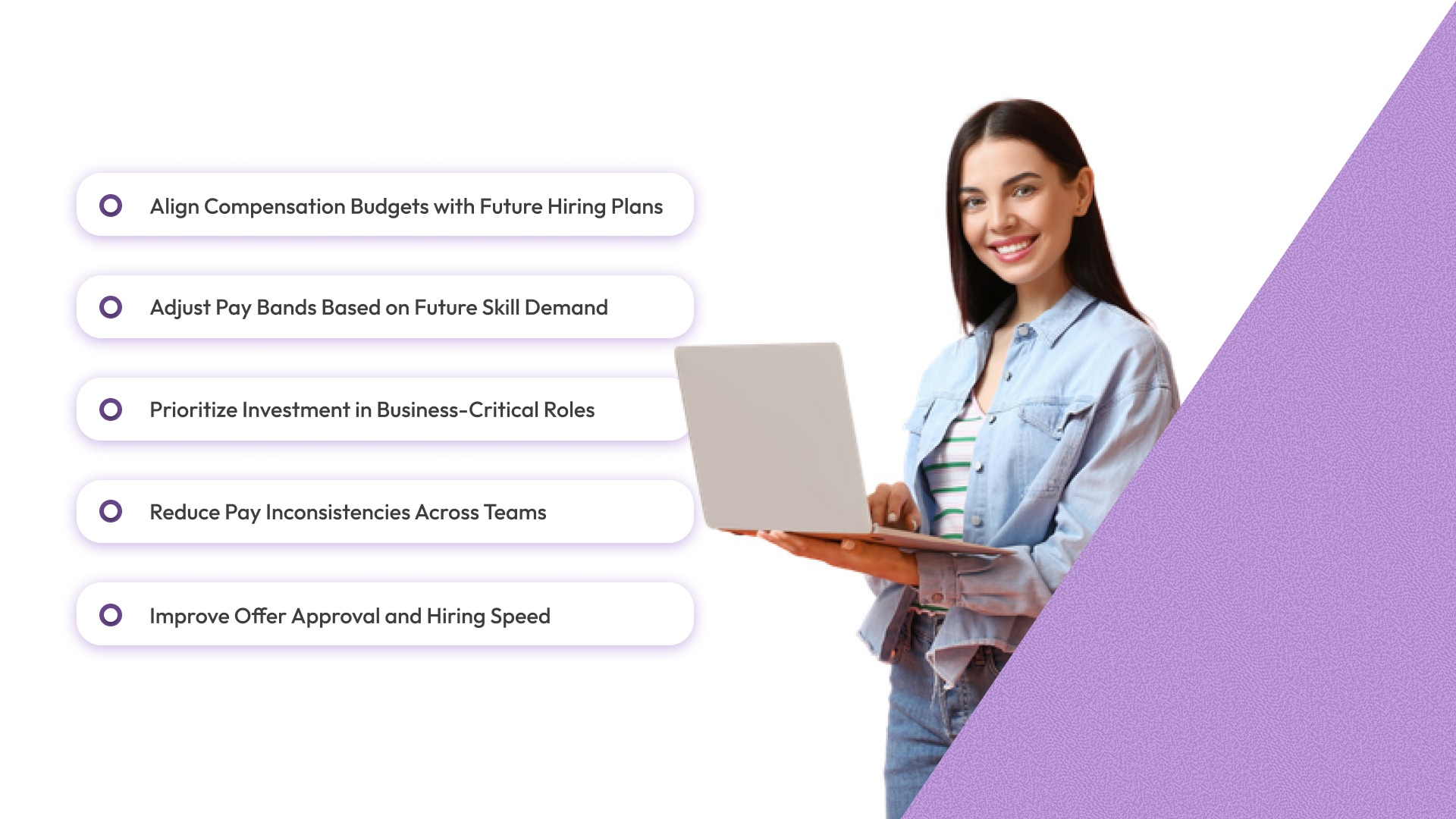
- Align Compensation Budgets with Future Hiring Plans: Link headcount forecasts with compensation budgets to avoid last-minute funding gaps. This ensures planned hires, promotions, and expansions are financially viable.
- Adjust Pay Bands Based on Future Skill Demand: Use workforce planning insights to identify high-demand roles and adjust pay structures accordingly. This helps you stay competitive in critical roles instead of reacting after losing candidates.
- Prioritize Investment in Business-Critical Roles: Not all roles need equal compensation focus; planning highlights where higher spend is justified. This ensures budgets are directed toward roles that directly impact growth and revenue.
- Reduce Pay Inconsistencies Across Teams: Align hiring, promotions, and compensation decisions within a structured planning framework. This avoids fragmented decisions that lead to internal pay gaps and employee dissatisfaction.
- Improve Offer Approval and Hiring Speed: When compensation is pre-aligned with workforce plans, approvals become faster and more consistent. This reduces delays in closing candidates, especially for high-demand roles.
Once compensation and workforce planning are aligned, the next step is using the right system to manage these decisions with clarity and consistency at scale.
How CandorIQ Supports Future Workforce Planning?
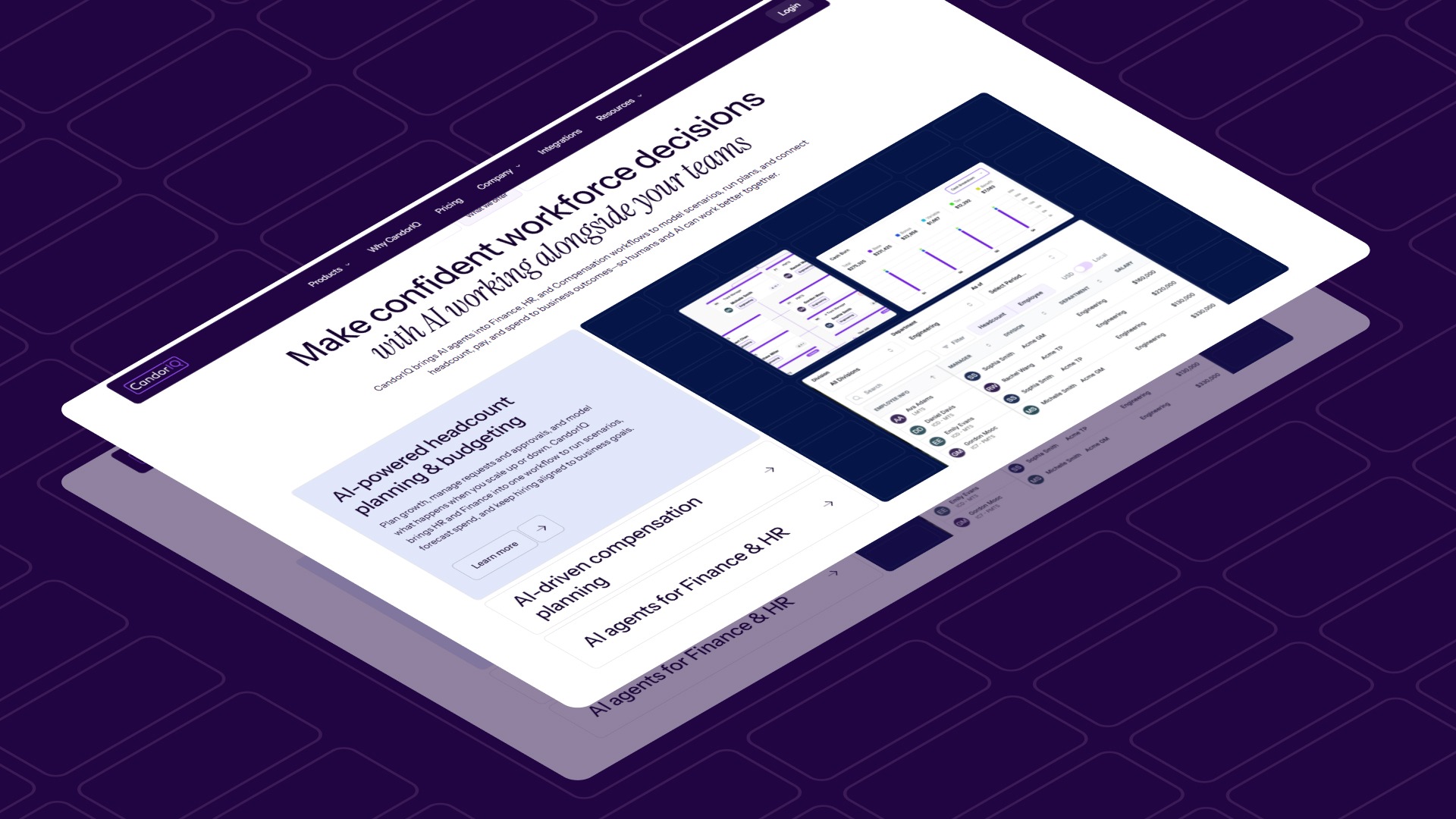
Managing compensation and headcount planning through spreadsheets often creates visibility gaps, slow approvals, and inconsistent decisions. As workforce plans become more complex, these gaps make it harder to align talent, budgets, and business priorities.
CandorIQ helps you bring future workforce planning, compensation, and headcount decisions into one structured system, so you can plan, execute, and adjust with clarity.
How CandorIQ helps:
- Compensation & Payband Builder: Define pay bands by role, level, and location using structured benchmarks. This keeps compensation aligned with future hiring needs and avoids inconsistent offers.
- Compensation Cycle Management: Run merit cycles with built-in approval workflows and real-time budget tracking. This reduces delays and ensures compensation decisions stay within planned budgets.
- Headcount Scenario Planning: Model different hiring plans and instantly see their cost impact on budgets. This helps you evaluate trade-offs before approving new roles or expansions.
- Headcount Requests & Approvals: Standardize hiring requests with role details, budget impact, and approval routing. This improves hiring speed while maintaining control over workforce costs.
- Workforce Management Dashboard: Track planned vs actual headcount, attrition, and promotions in one view. This gives leadership clear visibility into workforce health and planning accuracy.
- AI-Powered Insights: Analyze workforce data and surface gaps, risks, and cost implications quickly. This supports faster, data-backed decisions across HR and Finance.
With the right system in place, you can move from reactive decisions to structured, data-driven workforce planning that stays aligned with business goals.
Wrapping Up
Future workforce planning helps you align talent, skills, and budgets with long-term business goals. A structured approach reduces hiring gaps, improves decision clarity, and keeps your workforce aligned with evolving priorities.
CandorIQ brings compensation and headcount planning into one system with real-time visibility. It helps you align hiring, pay, and budgets without relying on disconnected workflows.
Book a demo to see how you can plan headcount faster, reduce approval delays, and keep compensation decisions aligned with business goals.
FAQs
1. What are the 5 R’s of workforce planning?
The 5 R’s include Right people, Right skills, Right roles, Right time, and Right cost. This framework helps you ensure your workforce is aligned with business needs while controlling costs and avoiding talent shortages or overlaps.
2. What are the 5 B’s of workforce planning?
The 5 B’s stand for Buy, Build, Borrow, Bot, and Bind. They represent different strategies to meet talent needs, including hiring externally, upskilling employees, using contractors, leveraging automation, and retaining critical talent.
3. What are the 5 key elements of workforce planning?
The key elements are current workforce analysis, future demand forecasting, gap identification, action planning, and continuous monitoring. These steps help you move from understanding your workforce today to preparing for future business requirements.
4. What does good workforce planning look like?
Good workforce planning connects hiring plans, skill development, and budgets with business strategy. It relies on data to guide decisions, improves visibility across teams, and reduces delays caused by reactive hiring or approvals.
5. Is Porter’s Five Forces model still relevant today?
Porter’s Five Forces is still useful for analyzing competition and market dynamics. However, it does not address internal workforce or talent decisions, so it should be used alongside workforce planning for a complete strategy.
Ready to modernize your workforce and compensation strategy?
See how CandorIQ brings workforce planning and compensation together with AI.