

10 Best Workforce Planning Tools for High-Growth Teams
Explore the best workforce & headcount planning tools for high-growth teams to streamline headcount, forecasting, and budget planning with real‑time insights.


Scaling a team quickly comes with unique challenges. As organizations grow, keeping track of headcount, budget, and workforce allocation becomes increasingly complex. Without a structured approach, companies risk overspending, misaligned hiring, and delays in achieving strategic goals.
Workforce planning tools help teams address these challenges by providing real-time insights, predictive modeling, and automated workflows, allowing HR and Finance to make informed decisions and avoid unexpected costs. In fact, the workforce planning tools market is set to reach USD 3.56 billion by 2032, growing at 11% CAGR, showing how essential these solutions are for scaling teams efficiently.
This blog explores the top workforce planning tools for 2026, helping your team pick the right solution that fits your growth strategy and operational priorities.
Key Takeaways:
- Workforce planning tools centralize headcount, compensation, and role data while enabling scenario modeling, budget alignment, and cross-functional collaboration for data-driven decisions.
- Leading platforms like CandorIQ, Anaplan, Workday Adaptive Planning, ChartHop, and others offer features for visualization, forecasting, and integration to support high-growth teams.
- Selecting the right tool depends on team size, growth stage, budget visibility, system integrations, analytics needs, and ease of adoption.
- Effective workforce planning helps organizations optimize hiring, forecast accurately, align budgets, and enhance workforce agility for sustainable growth.
.png)
What is a Workforce Planning Tool?
A workforce planning tool is software that helps organizations forecast, manage, and improve their workforce needs. It connects headcount data with financial assumptions and business priorities so HR and finance teams can make decisions based on data instead of disconnected spreadsheets.

Here’s why it matters for high-growth teams :
- Centralized Workforce Data: Keep all headcount, compensation, and role information in one system to reduce errors and improve visibility.
- Scenario Modeling: Test different hiring plans and budget allocations before making decisions, reducing the risk of overspending.
- Budget Alignment: Track how compensation, promotions, and new hires affect departmental and overall budgets in real time.
- Cross-Functional Collaboration: Enable HR, Finance, and leadership teams to work from the same data, avoiding miscommunication.
- Data-Driven Decisions: Use insights from workforce trends and analytics to make strategic hiring and retention choices.
- Growth Forecasting: Anticipate future staffing needs and align headcount planning with business objectives.
- Equity & Transparency: Ensure fair pay and consistent decision-making across teams and locations, supporting employee satisfaction and retention.
In the next section, let’s explore the top workforce planning tools for high-growth teams in 2026.
Also Read: Workforce Analytics: Examples, Benefits, and Best Practices
Top 10 Workforce Planning Tools for High-Growth Teams in 2026
High-growth teams require tools that are flexible, scalable, and capable of providing actionable insights. The following platforms stand out in 2026 for their ability to support scaling organizations.
1. CandorIQ
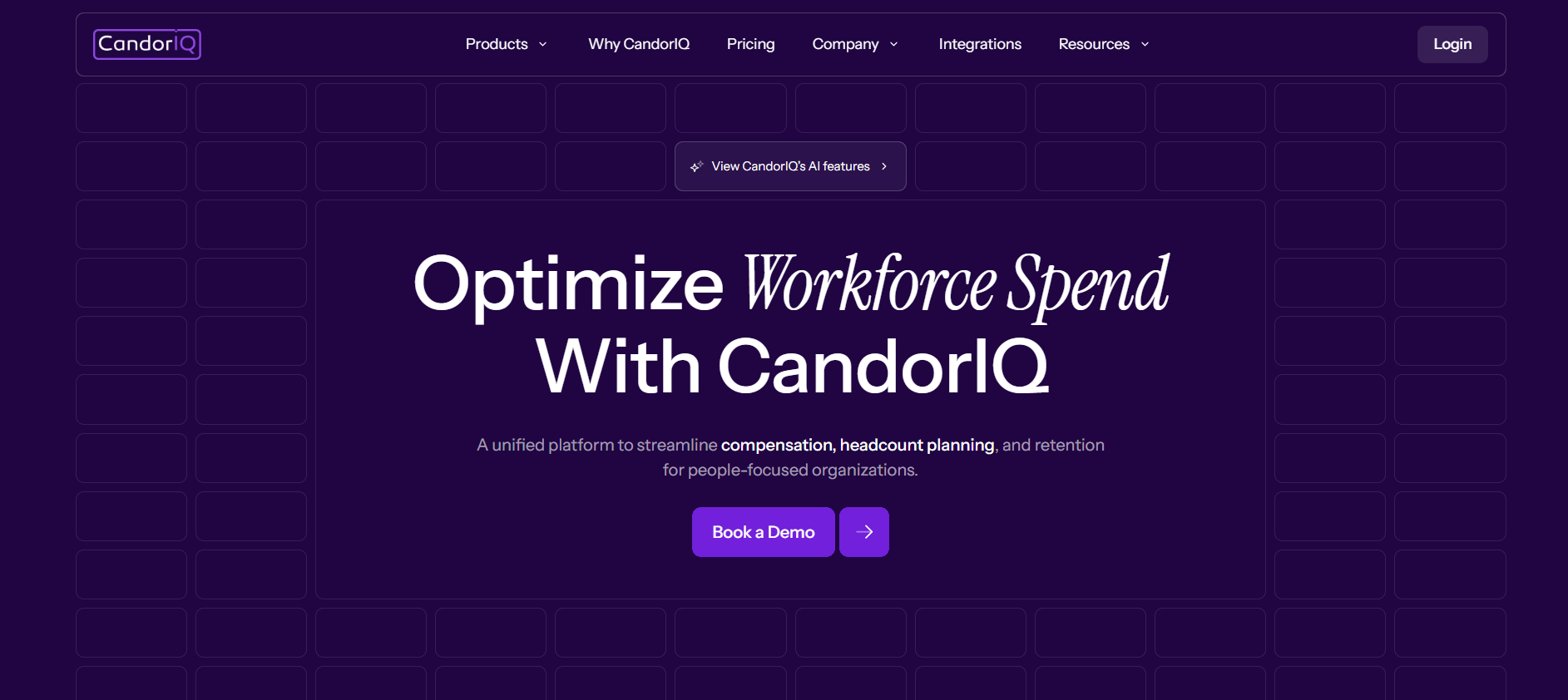
CandorIQ brings compensation, headcount planning, and workforce management into a single platform. It consolidates HR and finance workflows, helping teams move away from spreadsheets and disconnected systems.
Key Features:
- Compensation & Payband Builder: Define pay bands by role, level, department, and location, with historical tracking for auditability.
- Compensation Cycles Automation: Automate merit, bonus, and salary review cycles with approval workflows and real-time budget tracking.
- Headcount Scenario Planning: Model multiple hiring scenarios and visualize financial impact before committing to new hires.
- Candidate Offers: Provide employees with transparent total compensation details, including salary, equity, bonus, and benefits.
- Headcount Requests & Approvals: Streamline new hire requests with embedded job details, budgets, and dynamic approval routing.
- Employee Total Rewards Portal: Provides employees with full transparency into their total compensation, including salary, equity, bonus, and benefits details.
- Workforce Management Dashboards: Track open roles, filled positions, attrition, and promotions in one unified view for strategic reporting.
- AI Agent: Receive data-backed recommendations for workforce planning and compensation decisions.
Best For: Mid‑sized and growth‑stage organizations that need both compensation governance and strategic workforce planning within one platform.
2. Anaplan
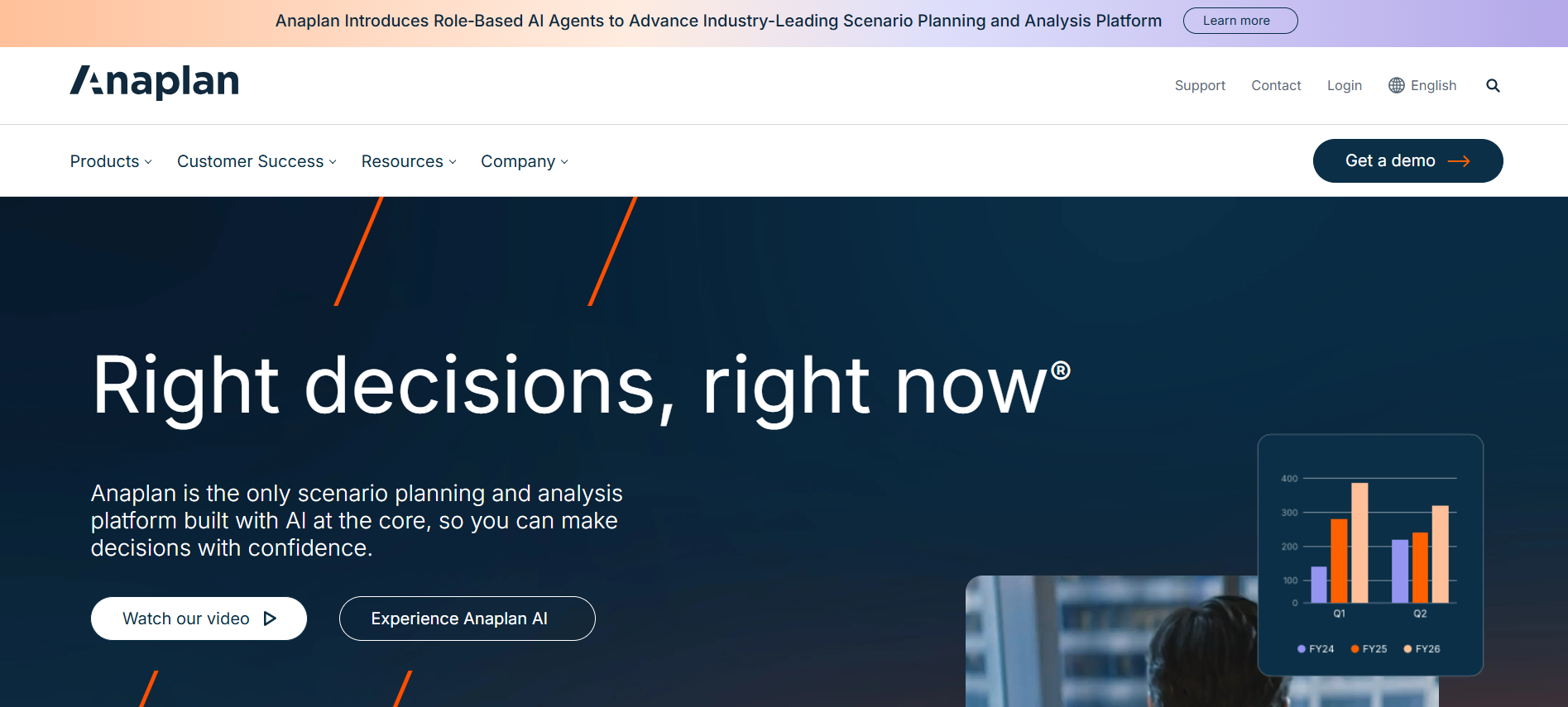
Anaplan is a cloud-based platform for business planning that connects workforce management with finance and operations. It allows teams to plan, analyze, and improve workforce cost management dynamically.
Key Features:
- Scenario modeling: Test hiring, attrition, and cost outcomes across different business assumptions.
- Workforce analytics dashboards: Deep insight into talent gaps, costs, and skills distribution.
- Integration with finance and HR systems: Align people's plans with budget forecasts in one environment.
Best For: Large enterprises and growth stage organizations with complex planning needs and cross‑functional planning requirements.
3. Workday Adaptive Planning

Workday Adaptive Planning supports workforce capacity and scenario planning by linking HR and finance teams. Its driver-based planning approach allows forecasts to adjust as conditions change.
Key Features:
- Driver‑based scenario planning: Build workforce plans that automatically adjust with financial drivers.
- Real‑time dashboards: Analyze open positions, costs, and workforce gaps at a glance.
- Integration with Workday HCM: Unified people and planning data for consistent insights.
Best For: Organizations currently using Workday HCM or those that want workforce planning tightly coupled with broader HR and financial processes.
4. ChartHop
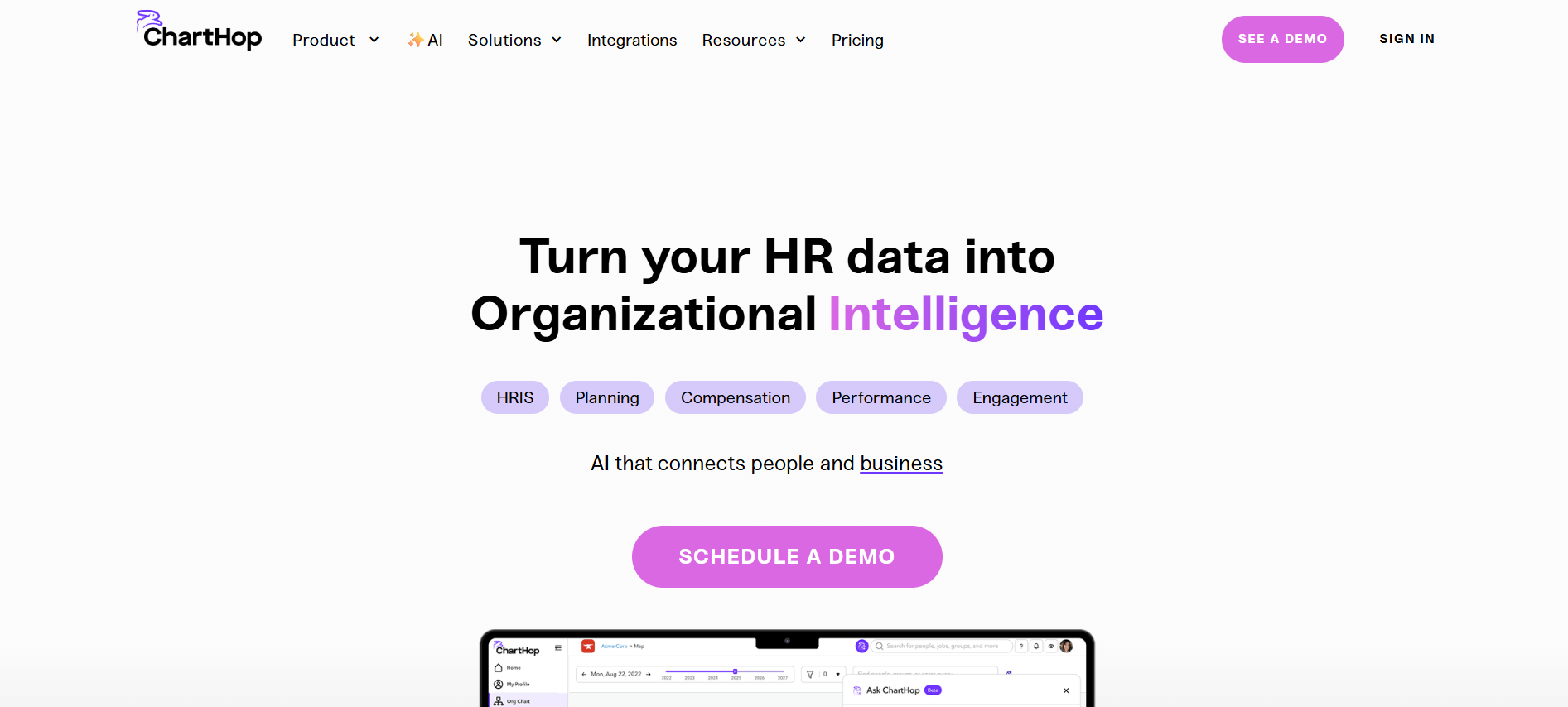
ChartHop is a data-focused workforce planning and organizational design tool that helps teams visualize structure, headcount, and cost impact. Its org chart-first approach makes planning more concrete for HR and business leaders.
Key Features:
- Visual org charts: See workforce changes and scenarios visually, enhancing alignment across teams.
- What‑if planning: Model hiring, attrition, and internal movement to test different outcomes.
- Custom dashboards: Track KPIs such as diversity metrics and cost maps.
Best For: Startups and mid‑market teams that benefit from visual planning and easier collaboration across departments.
5. SAP SuccessFactors

SAP SuccessFactors is an enterprise HR suite that includes workforce planning, analytics, performance management, and succession planning. It supports organizations that want a broad HR platform backed by predictive insights.
Key Features:
- Workforce analytics and forecasting: Predictive insights that highlight talent gaps and cost patterns.
- Succession planning: Identify future leaders and plan for internal mobility.
- Global compliance features: Address multi‑country HR requirements smoothly.
Best For: Large enterprises that require comprehensive HR and workforce planning linked with global talent programs.
6. Deel

Deel supports organizations with global hiring, payroll, and compliance. While it is not a dedicated planning tool, its ability to centralize workforce data and hiring costs makes it valuable for distributed teams.
Key Features:
- Global payroll and compliance: Automate payroll across multiple countries with local compliance.
- Centralized workforce insights: View geographic staffing and cost allocation in one place.
- Contract and contractor management: Simplify hiring and classification for international workers.
Best For: Businesses scaling internationally that need visibility and control of global compensation and workforce spend.
7. Planful
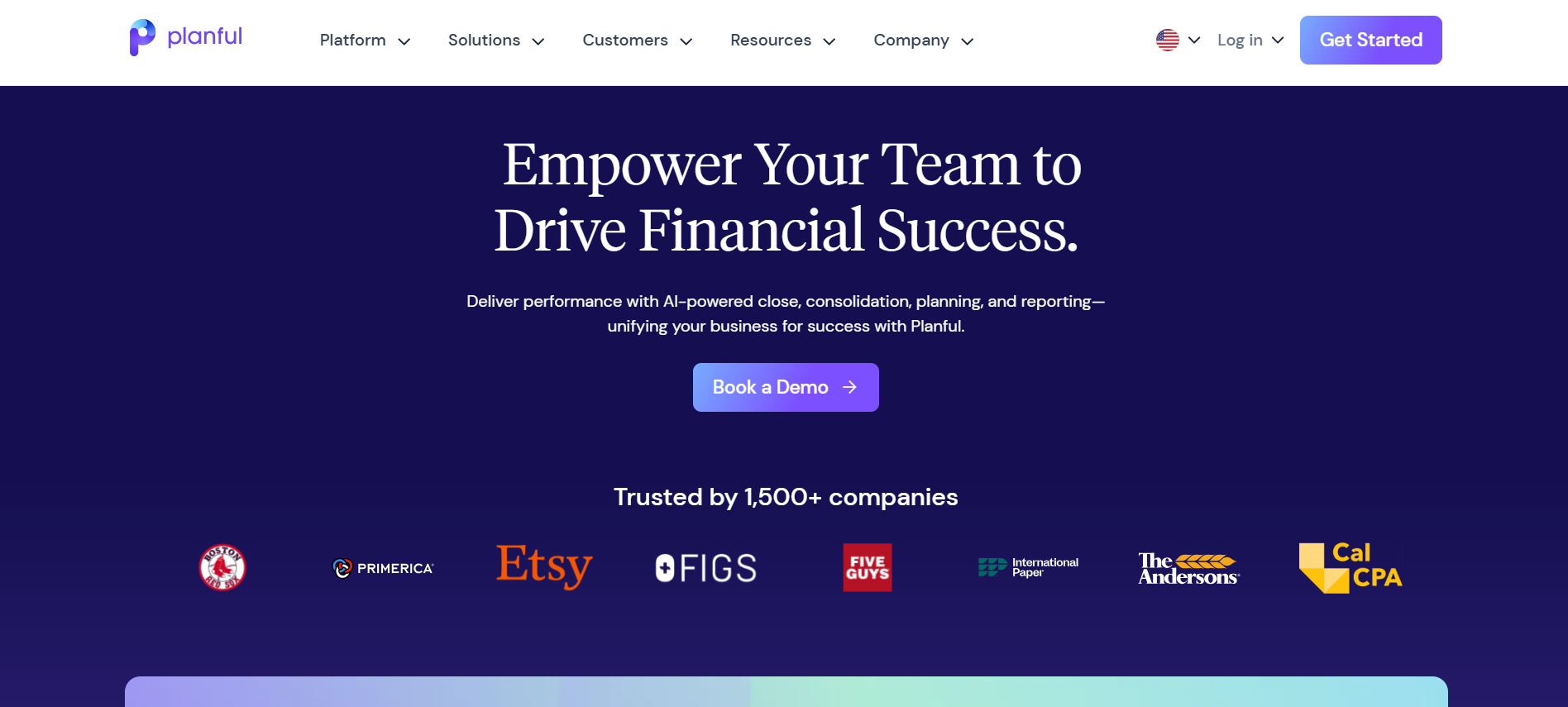
Planful connects workforce planning with financial performance. It combines FP&A with headcount and budget forecasting, helping organizations understand how staffing decisions affect business results.
Key Features:
- Link workforce plans with financial forecasts: Understand staffing impact on budget and performance.
- Collaborative planning environment: Reduce misalignment across departments.
- Scenario modeling: Test options before committing budget.
Best For: Mid‑market to enterprise teams prioritizing integrated planning between finance and HR.
8. Quinyx

Quinyx focuses on workforce and labor management, offering AI-driven planning, forecasting, scheduling, and analytics. It suits organizations where shift planning and demand forecasting play a critical role.
Key Features:
- AI‑powered forecasting: Predict labor demand and optimize schedules.
- Demand‑driven analytics: Insights into peak periods and staffing requirements.
- API integrations: Connect easily with existing HR and payroll systems.
Best For: Organizations in retail, healthcare, hospitality, and operations with high scheduling demands.
9. Visier
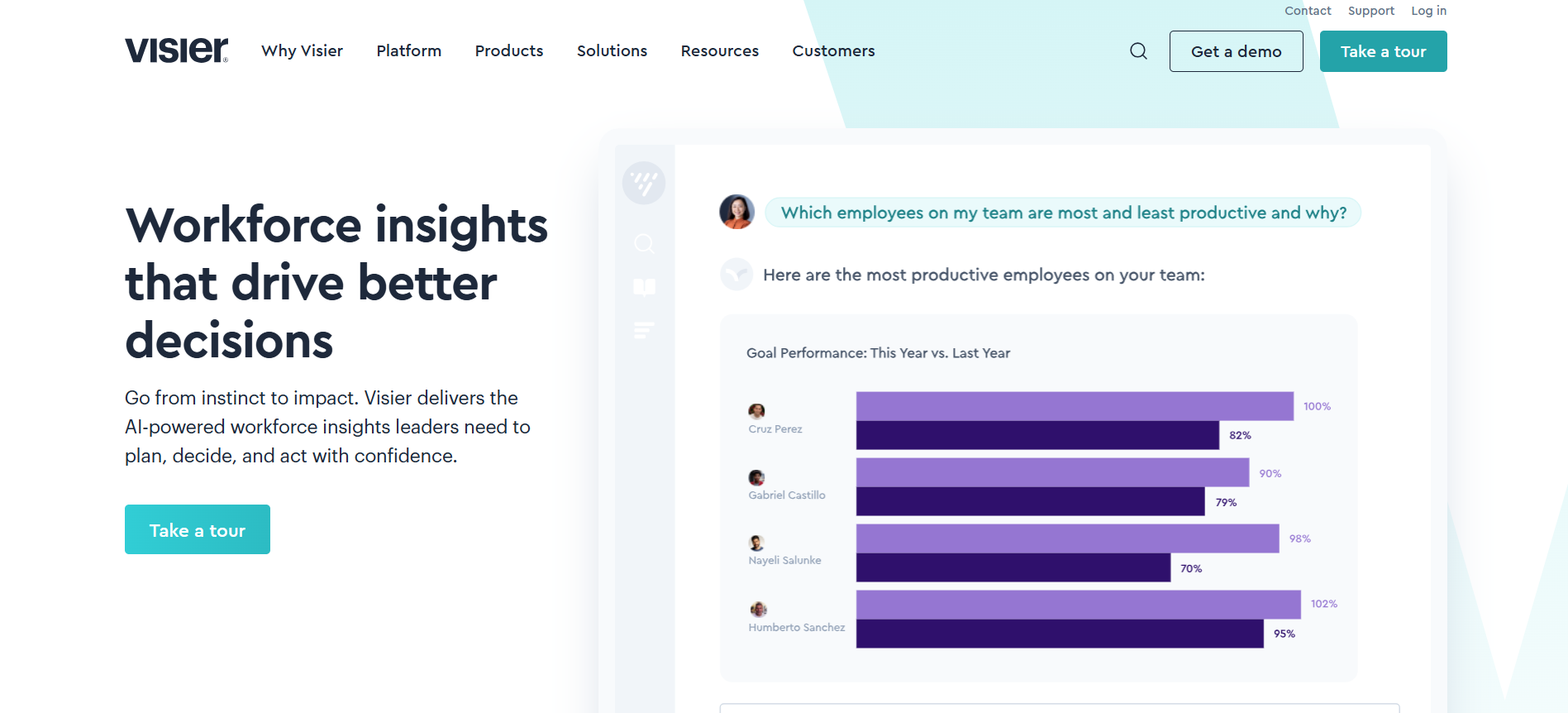
Visier specializes in people analytics and workforce planning. Its analytics tools help organizations make informed decisions about workforce costs, turnover risk, and hiring needs.
Key Features:
- People analytics dashboards: Real‑time insights into workforce metrics.
- Predictive analysis: Forecast headcount needs and turnover risk.
- Scenario comparison: Test multiple planning assumptions quickly.
Best For: Organizations focused on analytics and evidence‑based workforce insights.
10. ADP Workforce Now

ADP Workforce Now is a human capital management platform that includes workforce forecasting, headcount planning, and predictive analytics. It supports HR teams with reporting on staffing trends and attrition.
Key Features:
- Headcount forecasting: Predict future staffing needs based on historical data.
- Attrition insights: Understand turnover trends and risk areas.
- Custom dashboards: HR teams can tailor views for strategic planning.
Best For: Teams that want workforce forecasting built into broader HR and payroll workflows.
With these tools in mind, the next step is determining which platform fits your team’s specific needs.
Also Read: Equitable Hiring Practices to Promote Workforce Equity
How to Choose the Right Workforce Planning Tool for Your Team?
Selecting a workforce planning tool depends on your company’s size, growth stage, budget context, and planning priorities. Here are key considerations:

- Team size and structure: Smaller or lean teams need intuitive tools that reduce manual work, while larger teams may require advanced permissions and multi-department planning.
- Growth stage and hiring velocity: Fast-growing teams benefit from tools that support scenario planning and quick adjustments as priorities shift.
- Budget ownership and forecasting needs: Look for platforms that give HR and finance shared visibility into headcount costs and future spending.
- Integration with existing systems: Strong connections with HRIS, ATS, and payroll systems help maintain data accuracy and reduce duplicate work.
- Analytics and decision support: Tools with real-time insights and forecasting help leaders plan ahead instead of reacting late.
- Ease of use and adoption: A platform only delivers value if HR, finance, and leaders can use it without heavy training or reliance on spreadsheets.
Keeping these factors in mind helps teams select a workforce planning tool that supports smarter hiring decisions today and more predictable growth tomorrow.
Conclusion
Workforce planning tools play a key role in supporting high-growth teams. The best platforms offer scalability, real-time forecasting, integration with HR and finance systems, actionable analytics, and high adoption across teams. Choosing the right solution depends on your team size, growth stage, and strategic priorities.
By investing in a solution that aligns workforce planning with business goals, you can minimize hiring surprises, optimize budgets, and improve overall workforce agility. For organizations looking for a unified platform that connects HR and finance while providing transparency and scenario planning capabilities, CandorIQ is an ideal choice.
Request a demo with CandorIQ today to see how your team can plan smarter, forecast more accurately, and scale with confidence.
FAQs
1. What key features make workforce planning software ideal for startups and SMBs?
Workforce planning software for startups and SMBs should offer intuitive dashboards, real-time headcount and budget tracking, scenario modeling, and integration with HR and payroll systems. Flexibility, ease of use, and scalability are essential to adapt quickly as the business grows.
2. What are the pricing models for workforce planning tools suitable for teams of 50-500?
Pricing typically follows per-user, per-month subscriptions, or tiered packages based on team size and feature access. Some vendors offer custom enterprise pricing, while others include flat rates for mid-sized teams. Options often allow scaling as the organization expands, ensuring predictable costs.
3. What security and compliance features are essential in workforce planning software?
Key features include role-based access controls, data encryption, GDPR/CCPA compliance, secure cloud hosting, audit logs, and regular security updates. These safeguards protect sensitive employee data, ensure regulatory adherence, and maintain trust across high-growth teams handling confidential workforce information.
4. What metrics should high-growth teams track using these planning platforms?
Teams should monitor headcount growth, workforce costs, productivity rates, turnover, hiring velocity, skill gaps, and budget alignment. Tracking these metrics enables strategic workforce decisions, optimizes resource allocation, and supports sustainable expansion without compromising operational efficiency.
5. How do workforce planning tools benchmark compensation and labor costs during expansion?
These tools analyze internal payroll data alongside market benchmarks to identify competitive salaries, benefits, and labor cost trends. Scenario modeling and predictive analytics help organizations maintain budget compliance while attracting and retaining top talent during periods of rapid growth.
Ready to modernize your workforce and compensation strategy?
See how CandorIQ brings workforce planning and compensation together with AI.