

Compensation Planning Guide for HR Leaders for Better Budgeting
Learn how compensation planning for HR leaders improves pay equity, budgeting, and hiring outcomes with a structured, data-driven approach for HR teams.

Many HR leaders struggle with inconsistent pay decisions because compensation data lives across spreadsheets, disconnected tools, and siloed workflows. In fact, 51% of organizations reported a gap between employee pay expectations and available budgets, adding further pressure on HR teams.
As teams scale, this lack of structure makes it harder to maintain internal equity, respond to market changes, and align compensation with budget realities.
Compensation planning is no longer a once-a-year activity- it is a continuous process that shapes hiring outcomes, retention, and workforce strategy. It requires balancing market competitiveness, internal fairness, and budget constraints while staying aligned with business goals.
This guide explores how to build a structured, practical, data-led compensation planning approach that supports clear and confident decision-making.
Key Takeaways:
- Compensation planning is an ongoing, structured process that aligns employee pay with business goals, market benchmarks, and internal equity rather than being limited to annual salary decisions.
- A strong compensation framework includes key components like pay bands, job architecture, market benchmarking, variable pay, geographic adjustments, and internal equity to support consistency and fairness across the organization.
- Effective compensation planning follows a clear step-by-step approach, including defining compensation philosophy, auditing existing pay data, benchmarking against the market, building pay structures, and aligning with budgets and headcount plans.
- Data and technology improve compensation decisions by enabling real-time visibility, better HR–Finance collaboration, scenario modeling, workflow automation, and analytics-driven insights for more grounded and accurate planning decisions.
- Common challenges such as spreadsheet dependency, inconsistent pay decisions, lack of market alignment, and poor communication can be avoided through clear governance, transparent processes, regular review cycles, and alignment with business priorities.

What is Compensation Planning and Why It Matters
Compensation planning is the structured process of defining, managing, and adjusting employee pay in alignment with business goals, market benchmarks, and internal equity. It goes beyond salary decisions and includes bonuses, equity, and long-term incentives tied to performance and growth.
Here’s why compensation planning matters:
- Improves talent attraction and retention: A well-structured compensation approach helps organizations stay competitive in the U.S. talent market. It reduces attrition by ensuring employees understand how their pay is determined and how it evolves over time.
- Strengthens internal equity across teams: Clear compensation frameworks ensure employees in similar roles and levels are treated consistently. This reduces pay-related friction and builds trust in HR and leadership decisions.
- Supports better budget control and forecasting: Since compensation is a major workforce expense, structured planning helps HR and Finance align pay decisions with budget limits. It reduces the risk of unplanned overspending.
- Enables alignment with headcount planning: Each hiring decision carries a cost impact. Linking compensation planning with headcount forecasts helps organizations understand the financial impact of workforce expansion before approvals.
- Reduces reliance on reactive pay decisions: Without structured planning, pay decisions are often made in response to market pressure or counteroffers. A defined system helps reduce inconsistent or last-minute adjustments.
- Builds transparency in pay decisions: A structured approach makes it easier to explain how compensation decisions are made. This improves clarity for employees and reduces uncertainty around pay structures.
Core Components of a Modern Compensation Structure
A modern compensation structure includes multiple elements beyond base salary. It combines financial and non-financial rewards to create a complete and competitive offering.
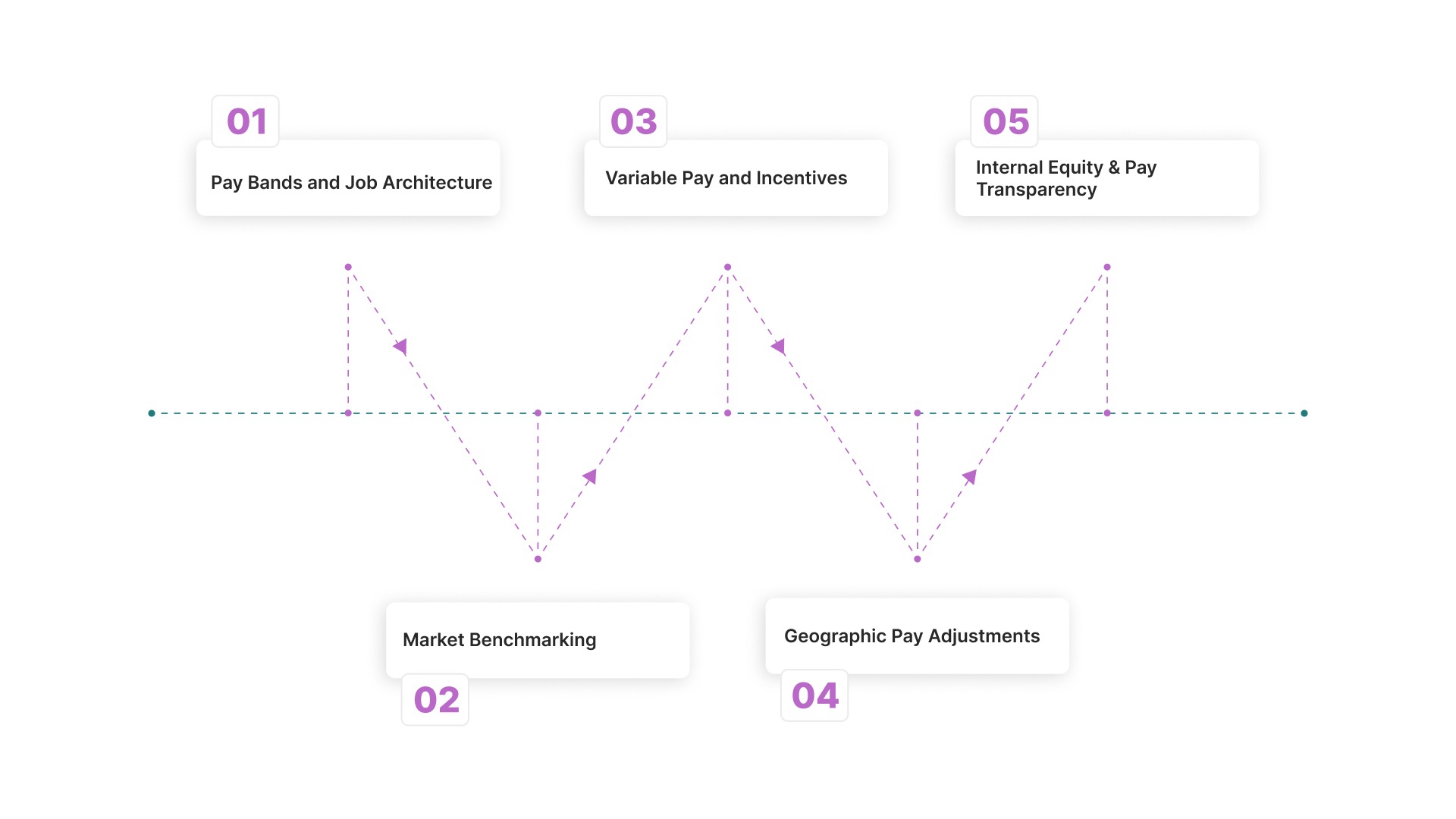
1. Pay Bands and Job Architecture
Pay bands define the salary range assigned to each role or level within the organization. Job architecture organizes roles into structured levels and job families, making it easier to map employees to appropriate compensation ranges.
Together, they create a clear framework for salary decisions, promotions, and hiring consistency. They also reduce ad-hoc negotiation-based pay outcomes and support structured career progression.
Example: A software engineer's role may have Level 1, Level 2, and Level 3 bands, each with defined salary ranges based on experience and responsibility.
2. Market Benchmarking
Market benchmarking involves comparing internal compensation data with external salary trends to stay aligned with industry standards and competitive pay levels. It helps HR leaders understand whether their pay structure is aligned with industry standards.
This process is important for attracting talent, reducing attrition risk, and avoiding underpaying or overpaying for critical roles. In the U.S., BLS wage data are available by occupation at the national, state, and metro levels, which makes location-aware benchmarking more practical.
Example: If the market median salary for a product manager is $120,000, but your internal range is significantly lower, benchmarking highlights the need for adjustment.
3. Variable Pay and Incentives
Variable pay includes performance-based compensation such as bonuses, commissions, and equity rewards. It helps align employee performance with business outcomes while maintaining flexibility in fixed salary costs.
A well-designed incentive structure encourages productivity and ties rewards to measurable results.
Example: A sales team may receive a quarterly bonus based on revenue targets achieved, in addition to base salary.
4. Geographic Pay Adjustments
Geographic pay adjustments ensure compensation reflects differences in the regional cost of living and local market conditions. This is especially important for remote or globally distributed teams.
It helps maintain fairness while keeping compensation competitive across different hiring locations.
Example: An engineer in San Francisco may earn a higher salary than an engineer in a lower-cost region due to market rate differences.
5. Internal Equity and Pay Transparency
Internal equity ensures employees in similar roles and levels are compensated fairly within the organization. Pay transparency focuses on clearly communicating how compensation decisions are made and what factors influence them.
Together, they build trust, reduce compensation-related dissatisfaction, and improve retention. In the U.S., pay transparency requirements vary by state and locality, and many jurisdictions require salary ranges in job postings or at defined points in the hiring process.
Example: Two managers at the same level with similar responsibilities should fall within the same pay band unless justified by experience or location differences.
A well-defined compensation framework enables better decision-making, but it requires a clear process to implement effectively.
Also Read: Executive Compensation Benchmarking Best Practices for Boards
Compensation Planning Process: Step-by-Step Framework
Compensation planning follows a structured process that connects pay decisions to business goals, workforce plans, and financial constraints.
1. Define Compensation Philosophy
A compensation philosophy sets the foundation for every pay decision. It defines how your organization positions itself in the market and what principles guide pay fairness, competitiveness, and growth alignment.
Key elements to define:
- Market positioning (lead, match, or lag strategy)
- Approach to internal equity and pay fairness
- Balance between fixed pay, variable pay, and equity
- Level of transparency shared with employees
This step helps establish consistency so that every compensation decision follows a shared logic instead of being made in isolation. It also helps HR leaders justify decisions to Finance and leadership with clarity and structure.
2. Audit Current Compensation Data
Before making changes, HR teams need a clear understanding of existing compensation structures. This step identifies gaps, inconsistencies, and risks across the organization.
What to evaluate:
- Salary distribution across roles and levels
- Pay gaps within similar job families
- Outliers above or below defined ranges
- Historical adjustments and promotion trends
This audit helps uncover structural issues that are often hidden in spreadsheets. It also creates a baseline for improving equity and aligning compensation with current business needs.
3. Benchmark Against Market Data
Market benchmarking ensures compensation remains competitive and aligned with industry standards. It prevents underpaying talent or overextending budgets without justification.
How benchmarking is used:
- Compare roles with external salary data sources
- Adjust for geography and cost of labor differences
- Evaluate competitiveness across job families
- Identify roles that are under or over the market range
This step helps HR leaders make informed adjustments instead of reacting to hiring pressure or retention risks. It also supports stronger alignment between compensation strategy and talent acquisition.
4. Build and Maintain Pay Structures
Once data is reviewed and benchmarked, organizations create structured pay bands and job levels. This ensures consistency across hiring, promotions, and internal mobility.
Core components include:
- Pay bands for each role and level
- Job architecture defining career progression paths
- Salary ranges with defined minimum, midpoint, and maximum
- Rules for movement between levels
These structures provide clear guardrails for managers and HR teams. They reduce ad-hoc decision-making and improve fairness across departments and geographies.
5. Align with Headcount and Budget Planning
Compensation planning must be directly connected to workforce planning and financial constraints. Every pay decision affects overall headcount costs and budget utilization.
Key alignment activities:
- Map compensation changes to hiring plans
- Forecast the cost impact of promotions and raises
- Evaluate budget availability before approvals
- Align hiring velocity with financial capacity
This step ensures HR and Finance operate from a shared understanding of workforce costs. It also helps prevent budget overruns and improves forecasting accuracy for future hiring cycles.
6. Run Compensation Cycles
Compensation cycles are structured periods where salary adjustments, bonuses, and promotions are reviewed and approved. A defined cycle ensures consistency and reduces operational friction.
What happens during cycles:
- Managers submit recommendations for raises or bonuses
- HR and Finance review alignment with budgets
- Approvals are processed through defined workflows
- Final decisions are communicated and documented
A structured cycle improves transparency and reduces delays in decision-making. It also ensures accountability across stakeholders involved in compensation decisions.
7. Communicate and Review Regularly
Clear communication ensures employees understand how compensation decisions are made. Regular reviews help maintain fairness and keep compensation aligned with market and business changes.
Best practices include:
- Explain pay bands and decision logic to managers
- Share structured guidelines for compensation decisions
- Conduct periodic reviews of pay structures and benchmarks
- Update frameworks based on market shifts or internal changes
This step strengthens trust across the organization. It also ensures compensation planning stays ongoing rather than being treated as a once-a-year activity.
A defined process helps HR leaders move from reactive decisions to consistent and scalable compensation strategies. However, executing this process effectively depends on access to reliable data and tools.
The Role of Data and Technology in Compensation Planning
Data and technology play a critical role in improving the accuracy and efficiency of compensation planning. They provide the visibility needed to make informed decisions at scale.
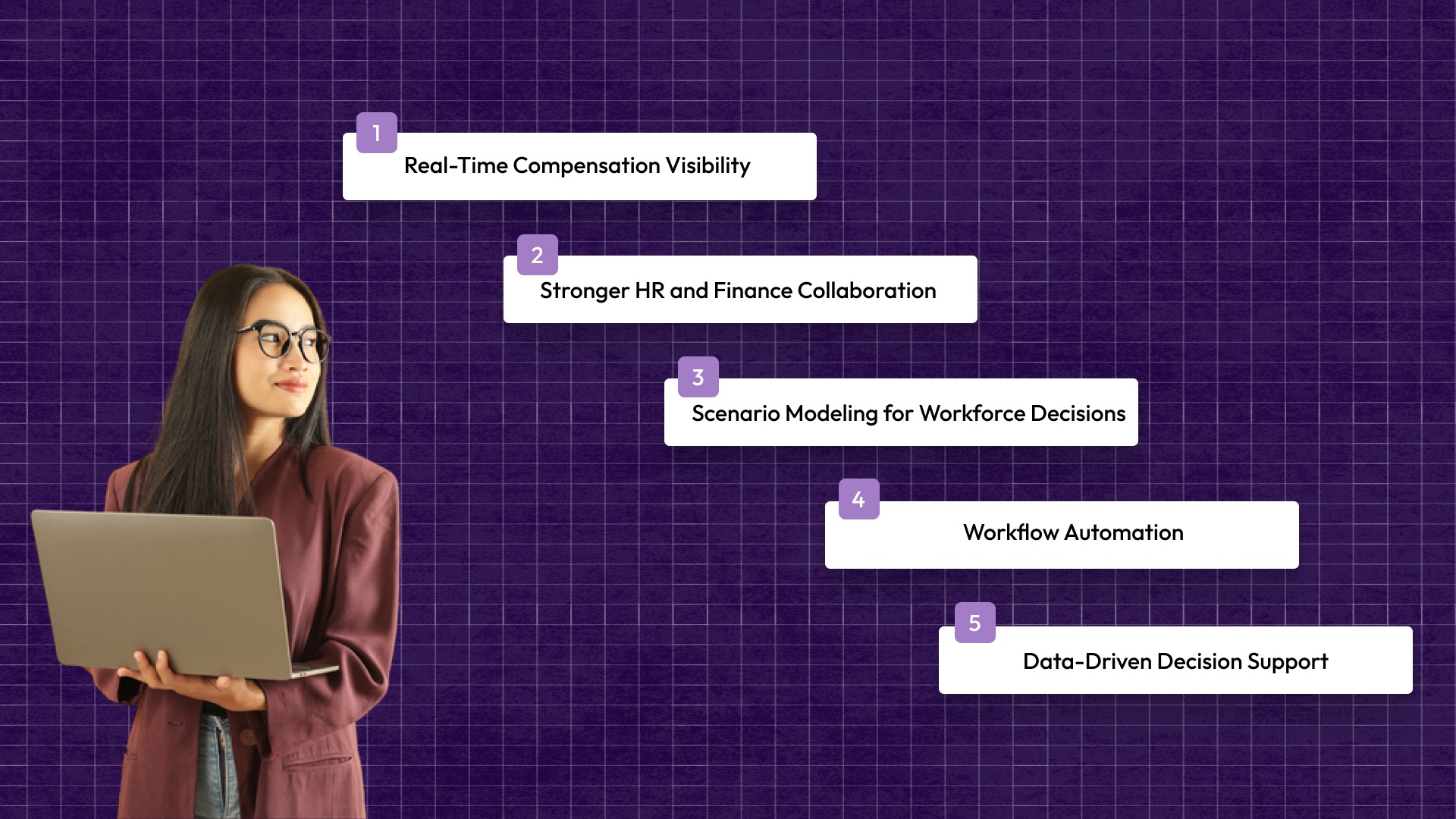
- Real-Time Compensation Visibility: Centralized systems provide live compensation data across roles, teams, and locations. This helps HR and Finance quickly spot trends, budget usage, and potential pay gaps without manual reporting delays.
- Stronger HR and Finance Collaboration: Shared platforms create a single source of truth for compensation and headcount data. This reduces misalignment during approvals, planning, and budget discussions.
- Scenario Modeling for Workforce Decisions: HR teams can simulate hiring, promotions, or market adjustments before finalizing decisions. This helps assess workforce cost impact in advance.
- Workflow Automation: Approval steps, reminders, and documentation can be automated across compensation cycles. This reduces manual effort and speeds up execution.
- Data-Driven Decision Support: Analytics highlight issues like pay compression, outliers, and compensation shifts. These insights support more informed and consistent decisions.
Technology enhances compensation planning, but without the right approach, common mistakes can still create challenges.
Also Read: 7 Proven Compensation Decision Support Strategies for Fair Pay in 2026
Common Compensation Planning Mistakes to Avoid
Even well-intentioned compensation strategies can fail if common pitfalls are not addressed. Recognizing common mistakes helps HR leaders avoid costly errors.
- Over-Reliance on Spreadsheets: Spreadsheets are difficult to maintain at scale and often lead to version control issues. They limit visibility and increase the risk of errors.
- Inconsistent Pay Decisions: Without clear pay bands and guidelines, compensation decisions may vary across teams. This inconsistency creates internal equity issues and employee dissatisfaction.
- Ignoring Market Data: Failing to benchmark compensation against the market can result in uncompetitive offers or excessive spending. For U.S. roles, that usually means missing state and metro wage differences that materially affect pay ranges.
- Poor Communication: Lack of communication around compensation decisions can create confusion and mistrust among employees.
Avoiding these mistakes requires adopting best practices that support consistency and clarity.
Best Practices for Effective Compensation Planning
Adopting best practices helps HR leaders build compensation strategies that are consistent, scalable, and aligned with business needs.
- Establish Clear Guidelines and Governance: Define rules for how compensation decisions are made, including approvals and exceptions. This reduces ambiguity and supports consistent decision-making across teams. Clear governance also improves accountability.
- Maintain Transparency Where Appropriate: Providing visibility into compensation structures helps build trust among employees. Transparency should be balanced with confidentiality requirements and U.S. state or local disclosure rules.
- Integration with Workforce Planning Systems: Compensation data connects directly with headcount and budgeting tools. This helps ensure each pay decision reflects its impact on overall workforce cost.
- Maintain Regular Review Cycles: Compensation planning should not be limited to annual cycles. Regular reviews help address market changes and internal shifts.
- Align Compensation with Business Goals: Compensation strategies should support organizational priorities such as growth, retention, and performance.
Aligning pay with business goals helps drive better outcomes across teams.
How CandorIQ Helps HR Leaders Optimize Compensation Planning
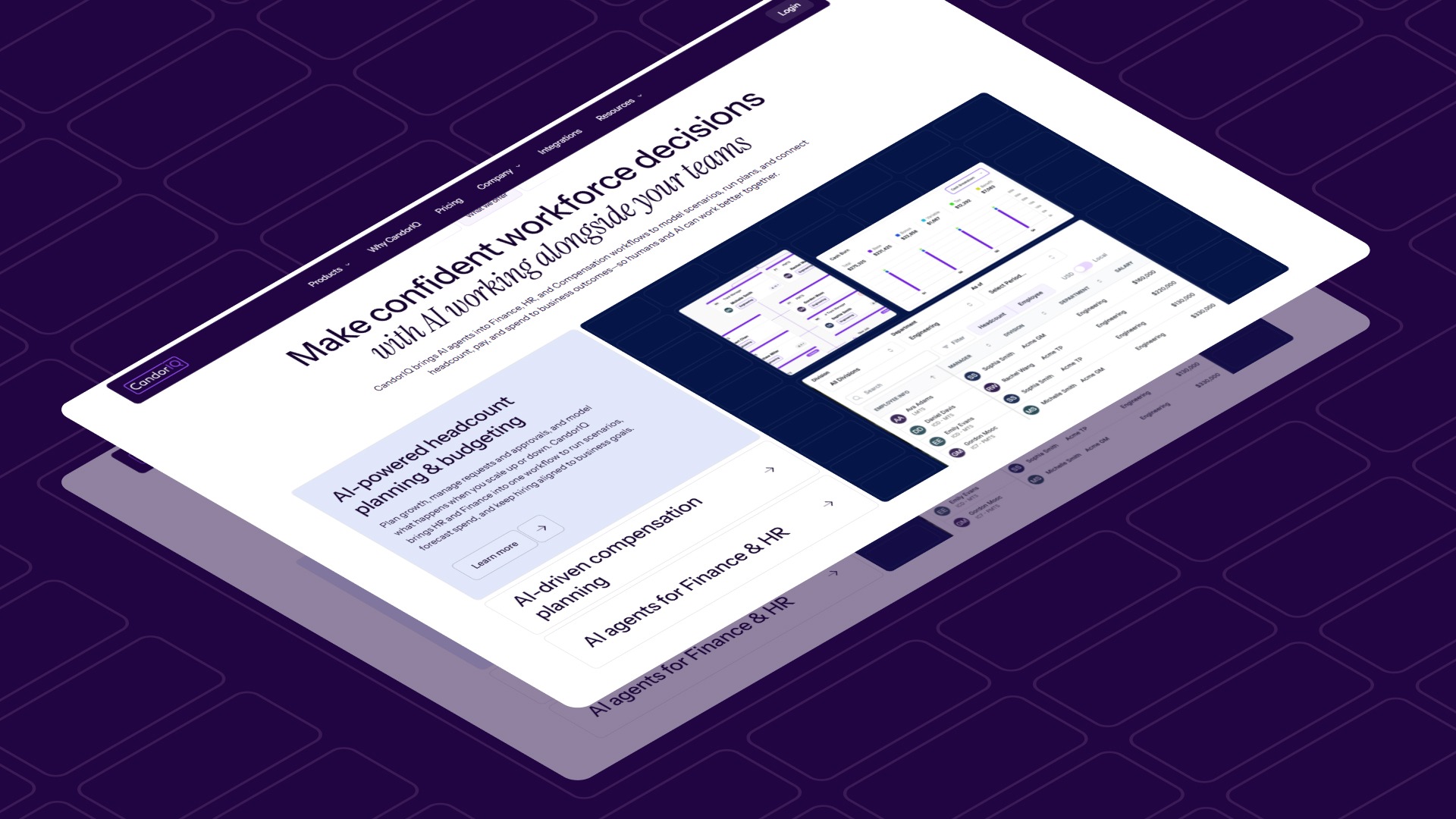
Managing compensation and headcount planning through disconnected tools often leads to visibility gaps and inconsistent decisions. HR leaders need a structured system that supports collaboration and clear decision-making.
CandorIQ helps teams centralize these processes, making it easier to manage pay structures, run compensation cycles, and align decisions with budget constraints.
- Compensation & Payband Builder: Creates structured pay bands across roles, levels, and locations, ensuring consistent pay decisions and stronger internal equity.
- Compensation Cycle Management: Automates merit and bonus cycles with workflows, approvals, and live budget tracking, reducing manual coordination.
- Headcount Scenario Planning: Enables HR and Finance teams to model hiring scenarios and evaluate their impact on compensation spend and budgets before decisions are finalized.
- Headcount Requests & Approvals: Standardizes hiring requests with role details and budget context, while automated routing helps speed up approval cycles.
- Workforce Management Dashboard: Provides real-time visibility into actual vs planned headcount, attrition, and compensation spend for better workforce control.
- AI Agent: Delivers compensation insights, benchmarking input, and forecasting support using historical and workforce data for faster decisions.
- Candidate Offers: Supports structured offer creation with salary, equity, bonus, and benefits clearly presented to improve candidate clarity and acceptance rates.
- Employee Total Rewards: Gives employees a complete breakdown of their total compensation package, improving transparency and trust in pay structures.
To simplify compensation planning and improve decision-making across your organization, explore how CandorIQ can support your workflows. Contact us today

FAQs
1. What impact does remote work have on compensation strategies?
Remote work shifts compensation toward location-agnostic or hybrid pay models. In the U.S., many teams use state, metro, and regional wage data to set salary ranges, while balancing talent competition, internal fairness, and distributed workforce hiring strategies.
2. What DEI considerations are essential in compensation planning?
DEI considerations include ensuring pay equity across gender, race, and other demographics, conducting bias audits, maintaining transparent pay bands, and promoting fair hiring and promotion practices to reduce structural disparities and improve workforce representation. In the U.S., these practices should also stay aligned with the Equal Pay Act and EEOC compensation-discrimination rules.
3. How do you calculate and model pay bands effectively?
Pay bands are calculated using market salary data, job architecture frameworks, and percentile ranges. Companies define minimum, midpoint, and maximum salaries, then refine bands using internal equity analysis, compa-ratios, and competitive benchmarking. For U.S. benchmarking, BLS wage data can help by occupation, state, and metro area.
4. What factors influence spot bonus and off-cycle adjustment decisions?
Spot bonuses and off-cycle adjustments are influenced by exceptional performance, retention risks, critical project delivery, market salary shifts, internal equity corrections, and budget availability for rewarding short-term impact or strategic contributions.
5. How do you align compensation with ESG (Environmental, Social, Governance) goals?
Compensation aligns with ESG goals by promoting fair pay, gender and pay equity, living wage standards, transparent reward structures, and governance-compliant incentive systems that encourage ethical, socially responsible, and sustainable business practices.
Ready to modernize your workforce and compensation strategy?
See how CandorIQ brings workforce planning and compensation together with AI.