

Improve Headcount Forecast Accuracy Techniques for Effective Hiring in 2026
Improve headcount forecast accuracy with proven techniques like rolling forecasts, scenario planning, and data-driven workforce alignment for better budgeting.


Most finance teams struggle to understand how hiring decisions affect budgets until the impact is already visible. Headcount forecasting often breaks down when data lives across spreadsheets, systems, and disconnected workflows.
In fact, research shows that companies using traditional annual budgeting methods often miss actual financial outcomes by 20–30%. Even small errors can lead to missed hiring targets, unexpected cost overruns, or inefficient allocation of resources.
Headcount forecasting is no longer a static planning task. It is a continuous process that connects hiring plans, compensation costs, and financial strategy. For CFOs and FP&A leaders in the U.S., improving forecast accuracy is essential to keep visibility into workforce spend and align hiring with business priorities.
This blog explores what headcount forecasting is, what affects its accuracy, and the most effective techniques to improve it.
In a nutshell:
- Headcount forecasting connects hiring plans with financial outcomes, helping teams align workforce decisions with budgets, costs, and business priorities.
- Accuracy improves when forecasts reflect real factors like hiring timelines, attrition, promotions, and role-based workforce costs instead of only focusing on simple headcounts.
- Techniques such as rolling forecasts, scenario planning, and business-driver alignment help keep projections updated and better aligned with changes in business conditions.
- Incorporating realistic assumptions, validating data, and adding automated validation checks reduces errors caused by outdated inputs, manual spreadsheets, and inconsistent logic.
- Strong collaboration between HR, Finance, and business teams helps maintain a shared, consistent view of workforce data for planning decisions.
What is Headcount Forecasting
Headcount forecasting is the process of predicting how many employees an organization will need over a defined period to meet its business goals. It connects hiring plans with financial outcomes, helping teams align workforce decisions with budget realities.
In practice, it is not just about counting roles. It involves forecasting hiring timelines, attrition, promotions, and total workforce cost impact across departments and locations.

Benefits of Accurate Headcount Forecasting
Accurate forecasting gives finance leaders a clearer view of workforce-related expenses before decisions are finalized. It helps teams avoid budget surprises and align hiring with revenue expectations.
- HR–Finance alignment: Shared forecasts ensure both teams work from the same assumptions, reducing conflicts during hiring and planning cycles.
- Faster hiring: Clear visibility into approved roles and budgets helps hiring managers move quickly without delays in approvals or compensation checks.
- Balanced staffing: Reliable forecasts reduce the risk of overhiring or understaffing by aligning hiring plans with actual business demand.
- Leadership visibility: Executives get a clearer view of how workforce decisions impact growth, spend, and long-term planning.
- Better compensation planning: Since headcount ties directly to compensation, accurate forecasting improves salary planning and reduces mismatches.
- Efficient planning cycles: Teams spend less time fixing spreadsheet errors and more time focusing on strategic workforce decisions.
Also Read: A Practical Guide to Headcount Forecasting for High-Growth Teams
Proven Techniques to Improve Headcount Forecast Accuracy
Improving forecast accuracy requires a structured approach that combines better data, clear processes, and continuous updates. The following techniques help finance leaders build more reliable forecasts.
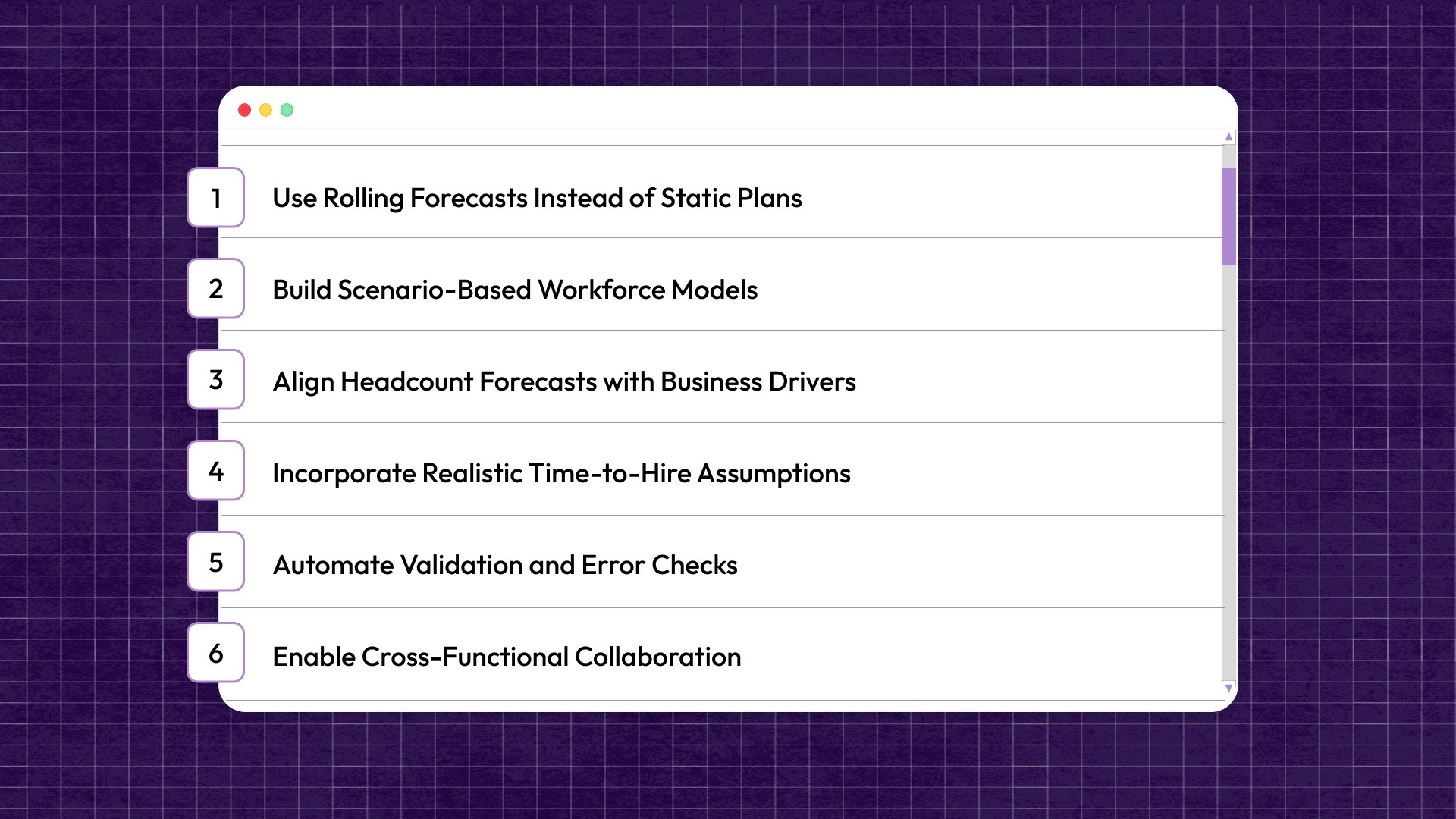
1. Use Rolling Forecasts Instead of Static Plans
Rolling forecasts shift headcount planning from a fixed annual exercise to a continuous planning cycle. Instead of locking numbers once a year, teams regularly update forecasts based on actual hiring progress, attrition, and business changes.
- This approach reduces the risk of outdated assumptions driving hiring decisions.
- It helps teams react faster to demand shifts, budget changes, or hiring delays.
- Finance and HR stay aligned because forecasts evolve with real-time inputs.
In practice, rolling forecasts work best when updated monthly or quarterly. They give leaders a more realistic view of workforce needs instead of relying on assumptions made at the start of the year.
2. Build Scenario-Based Workforce Models
Scenario modeling helps organizations prepare for uncertainty by planning multiple possible workforce outcomes instead of relying on a single forecast. Scenario-based planning is a practical way for U.S. finance teams to test hiring choices before committing budget.
- Create baseline, growth, and downside scenarios to reflect different business conditions.
- Model how each scenario impacts hiring volume, timing, and total cost.
- Include ramp time and attrition assumptions to make projections more realistic.
This approach improves decision readiness. For example, leadership can compare the hiring impact of aggressive expansion versus controlled hiring before committing to a budget. It reduces reactive decisions during market or demand shifts.
3. Align Headcount Forecasts with Business Drivers
Headcount forecasts become more accurate when they are tied directly to measurable business inputs instead of being built in isolation. Driver-based planning is especially useful in U.S. organizations where revenue, pipeline, service volume, or production output can shape staffing needs.
- Link hiring needs to revenue targets, product launches, or customer growth.
- Use operational drivers like sales capacity, support volume, or production output.
- Translate business demand into workforce requirements using consistent ratios.
This driver-based approach ensures hiring decisions reflect actual business activity rather than subjective estimates. It also improves accountability between Finance and functional leaders by grounding workforce plans in shared metrics.
4. Incorporate Realistic Time-to-Hire Assumptions
One of the most common forecasting gaps is underestimating how long it takes to fill roles and ramp new employees. This creates a mismatch between planned and actual workforce availability.
- Factor in role-specific time-to-fill based on historical hiring data.
- Include onboarding and ramp-up periods before new hires reach full productivity.
- Adjust forecasts for roles with high market demand or skill scarcity.
When time-to-hire assumptions are inaccurate, forecasts may show capacity that does not exist yet, leading to execution delays and budget misalignment.
5. Automate Validation and Error Checks
Manual forecasting processes often introduce errors through inconsistent inputs, outdated spreadsheets, or formula mismatches. Automating validation helps reduce these risks.
- Use automated checks to flag duplicate roles, missing data, or inconsistent inputs.
- Standardize assumptions like compensation bands and hiring timelines.
- Make sure forecasts update automatically when underlying data changes.
This improves data integrity and reduces time spent fixing manual errors. It also ensures Finance and HR are working from a consistent and reliable dataset.
6. Enable Cross-Functional Collaboration
Headcount forecasting is most accurate when HR, Finance, and business leaders operate from a shared planning model instead of separate versions of the truth.
- Align Finance and HR on budget assumptions before finalizing hiring plans.
- Involve hiring managers early to validate role demand and timing.
- Maintain a single source of truth for workforce data and assumptions.
Collaboration reduces misalignment between planned and actual hiring needs. It also improves decision speed because approvals and adjustments happen within a shared framework rather than across disconnected spreadsheets.
Also Read: The Ultimate Guide to Headcount Analysis and Workforce Planning
Tools and Software Used for Enhanced Headcount Forecasting
Technology plays a key role in improving forecast accuracy. Many finance teams still rely on spreadsheets, which limit visibility and collaboration.
Modern tools provide more structured and dynamic approaches to headcount planning.
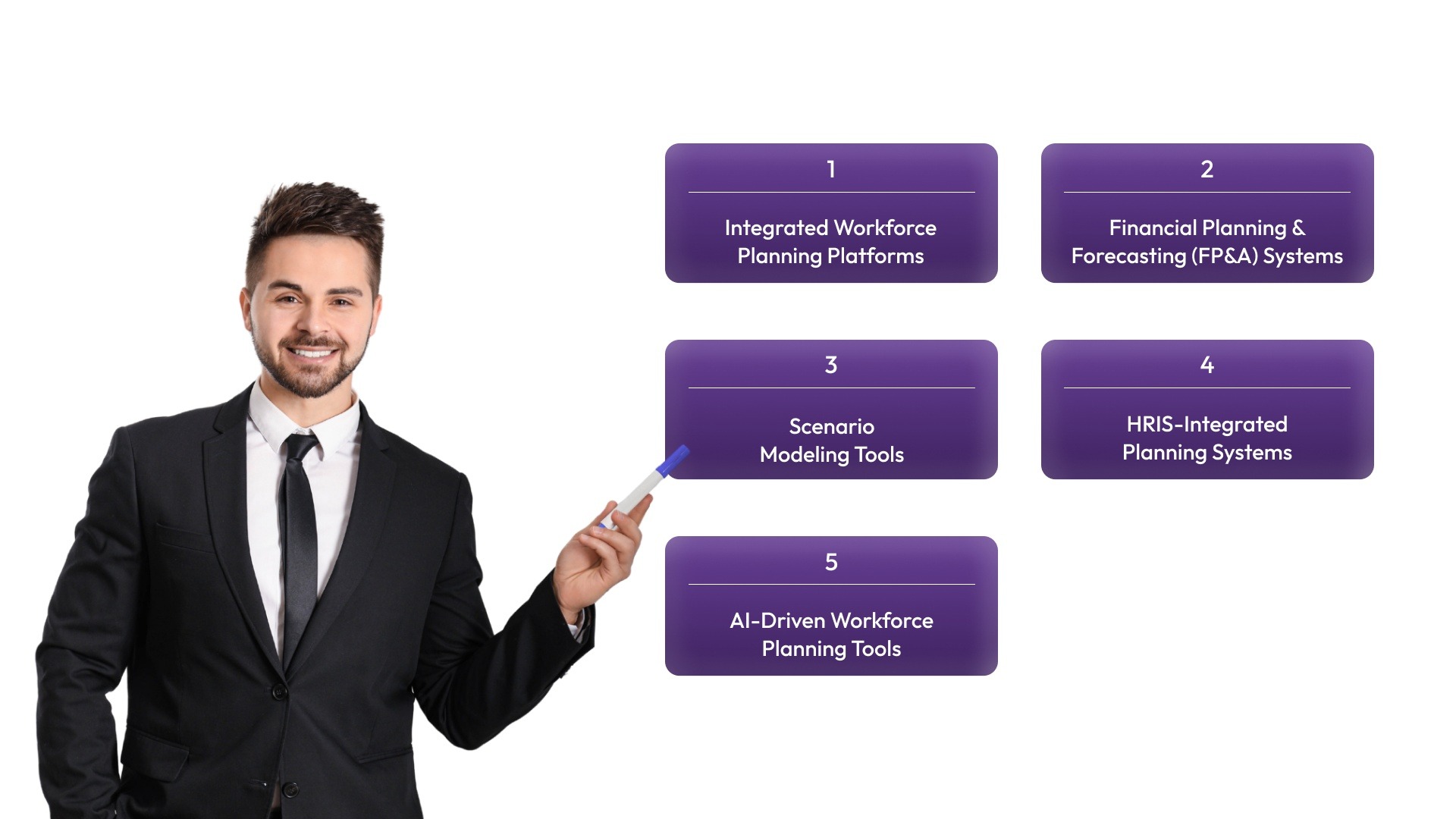
- Integrated Workforce Planning Platforms: These platforms bring together headcount data, budgets, and hiring plans in one system. HR and Finance teams work from a shared dataset instead of disconnected spreadsheets, which improves alignment in day-to-day planning.
- Financial Planning & Forecasting (FP&A) Systems: FP&A tools add headcount cost modelling to traditional budgeting systems. They help Finance teams understand how hiring decisions affect overall workforce cost and budget planning in practical terms.
- Scenario Modeling Tools: These tools simulate hiring scenarios like expansion, freezes, or restructuring. Each scenario shows how workforce decisions affect both cost and capacity before any action is taken.
- HRIS-Integrated Planning Systems: These systems pull real-time workforce data such as compensation, roles, and attrition from HRIS tools. Forecasts stay updated with reduced manual updates and fewer version conflicts across teams.
- AI-Driven Workforce Planning Tools: AI tools analyze hiring trends and attrition patterns to support forecasting decisions. They surface risks, gaps, and patterns in workforce planning based on historical and real-time signals.
Key Metrics to Track Headcount Forecast Accuracy
Tracking the right metrics helps finance teams evaluate how accurate their forecasts are. Without measurement, it is difficult to improve forecasting processes.
- Forecast vs Actual Headcount Variance: Measures the gap between planned and actual headcount. A consistent mismatch points to issues in hiring assumptions or execution delays.
- Budget vs Actual Workforce Spend: Compares planned workforce cost with actual spend, including salaries and hiring expenses. Helps assess whether hiring stays within approved budget limits.
- Time-to-Fill Variance: Tracks the difference between expected and actual hiring timelines. Delays can shift costs across periods and reduce forecast reliability.
- Attrition Rate: Compares expected employee exits with actual attrition. Inaccurate assumptions here can significantly distort headcount planning.
- Offer Acceptance Rate: Measures how often candidates accept offers compared to expectations. Lower acceptance rates can slow hiring and disrupt forecast timelines.
These metrics provide insight into where forecasts are performing well and where adjustments are needed.
Common Mistakes That Reduce Forecast Accuracy
Headcount forecast accuracy depends on the quality of inputs and how well different variables are managed. Many teams face challenges because these variables are often handled in isolation.
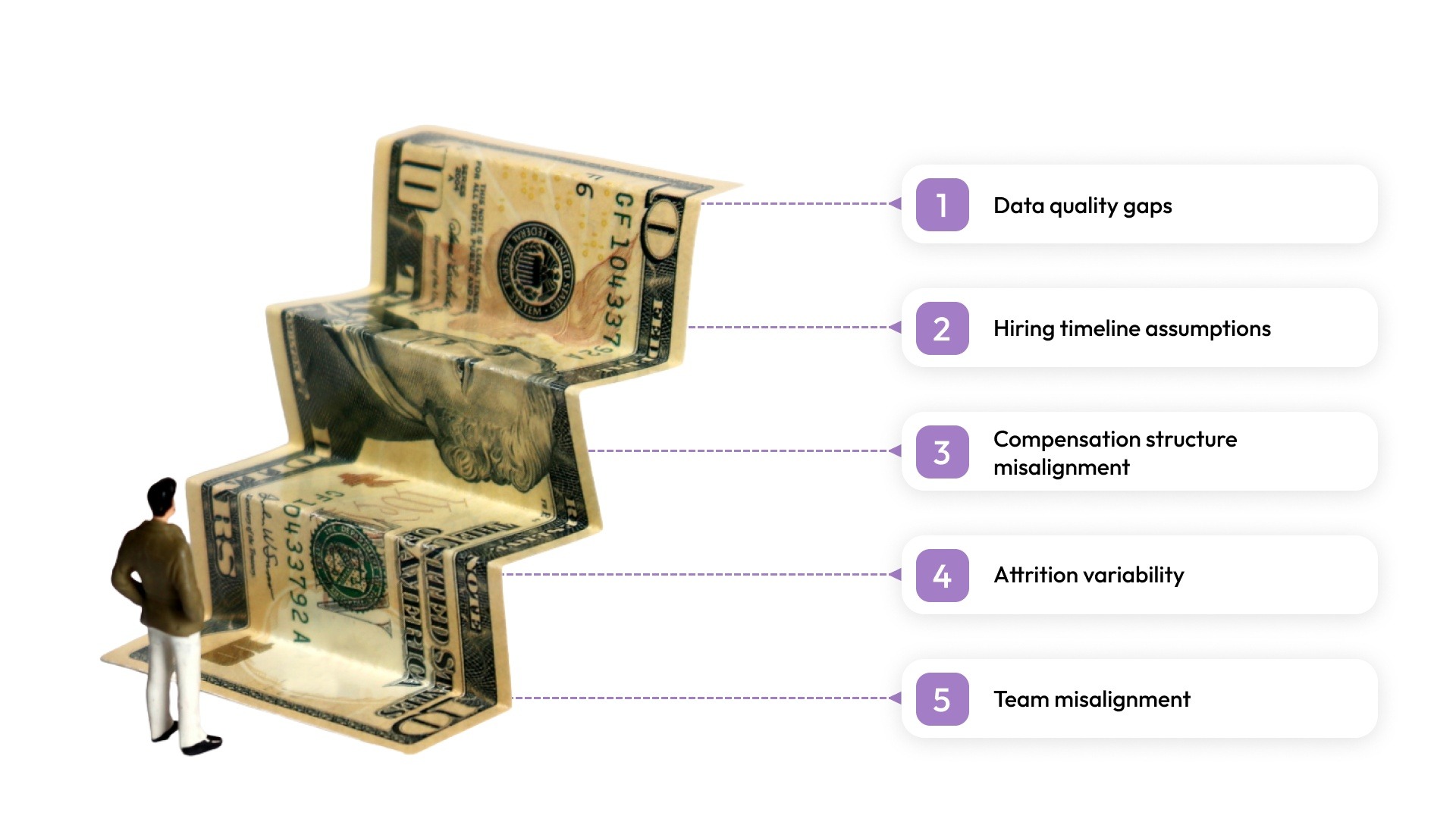
- Data quality gaps: Forecasts often use outdated or incomplete workforce data, which distorts projections and reduces reliability.
- Hiring timeline assumptions: Forecasts assume ideal hiring speeds, but delays in approvals, sourcing, or onboarding shift costs and timing.
- Compensation structure misalignment: Ignoring salary bands, bonuses, and equity differences can significantly skew total workforce cost projections.
- Attrition variability: Employee exits and internal moves are often unpredictable, leading to inaccurate headcount assumptions if not modeled well.
- Team misalignment: HR and Finance working from separate assumptions creates fragmented forecasts and weak planning consistency.
These issues highlight why improving accuracy requires better data practices and more connected planning workflows across teams.
How CandorIQ Enables More Accurate Headcount Forecasting
Managing headcount forecasting manually often leads to visibility gaps and inconsistent assumptions. This makes it difficult for finance teams to trust their projections.
CandorIQ helps teams centralize compensation and headcount planning workflows, improving clarity and alignment across decisions.
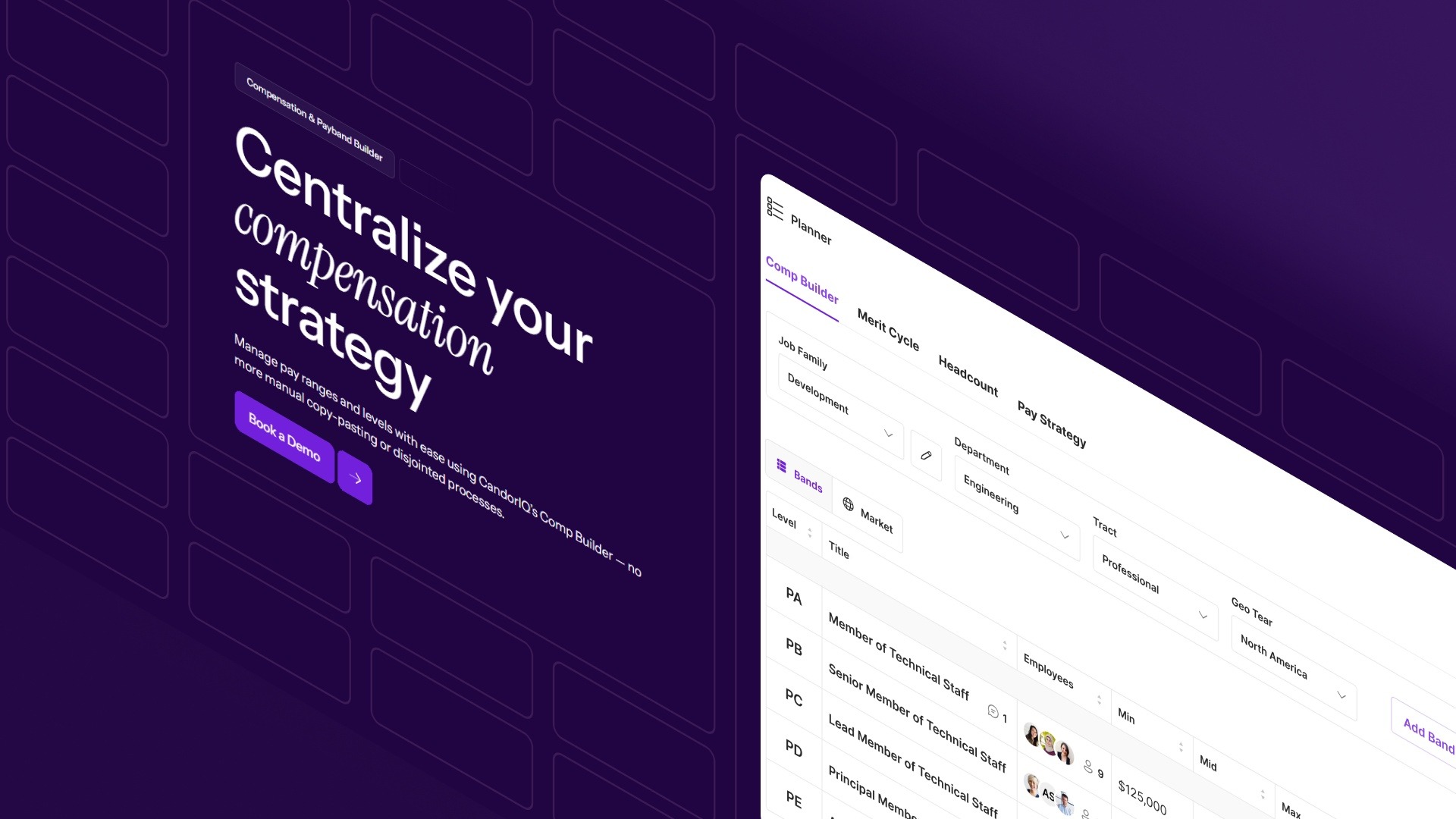
- Compensation & Payband Builder: Creates structured pay bands across roles and locations, keeping salary assumptions consistent and improving cost accuracy in forecasts.
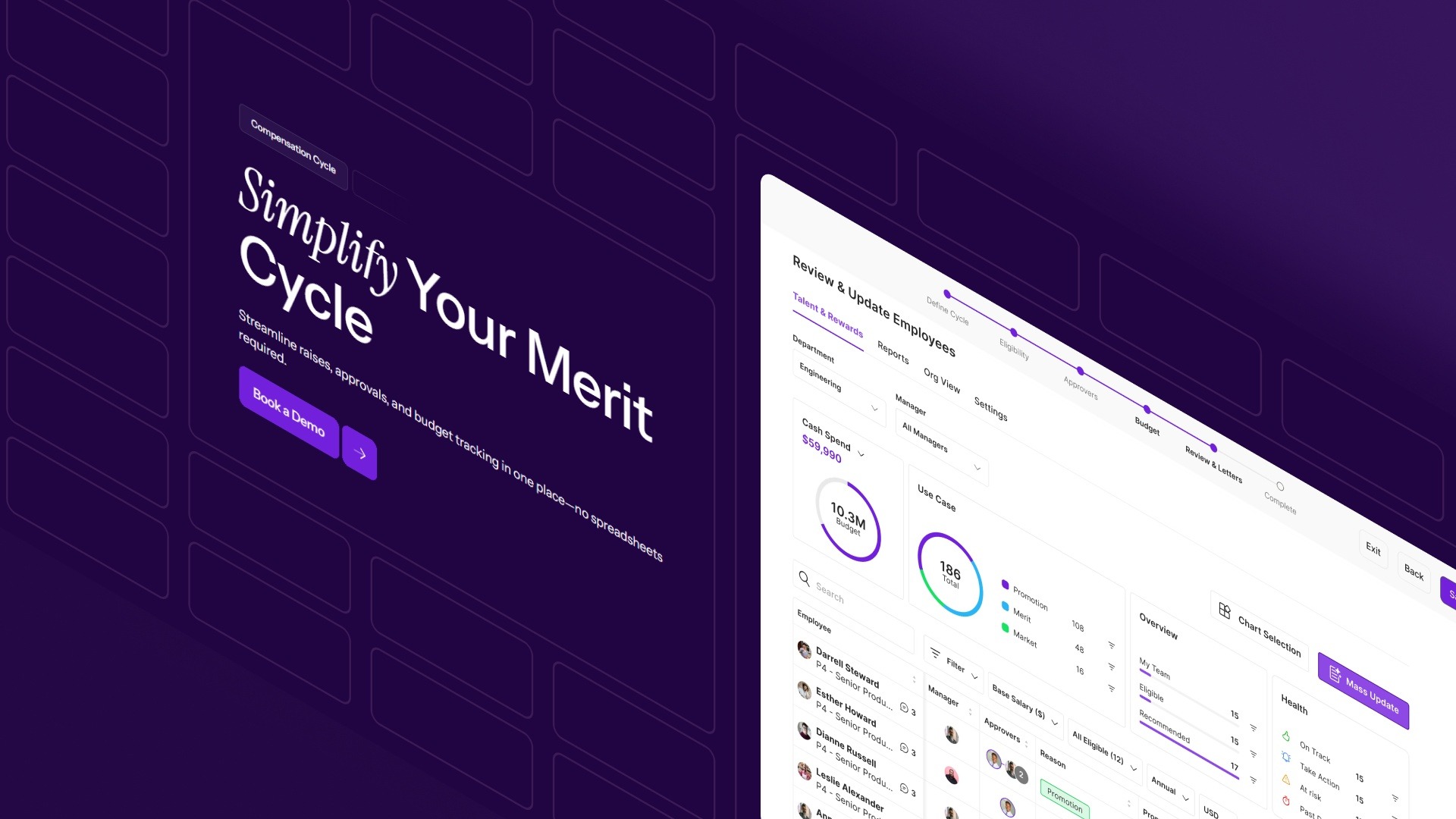
- Compensation Cycle: Automates merit and bonus planning with live budget tracking, helping teams see compensation impact before approvals.
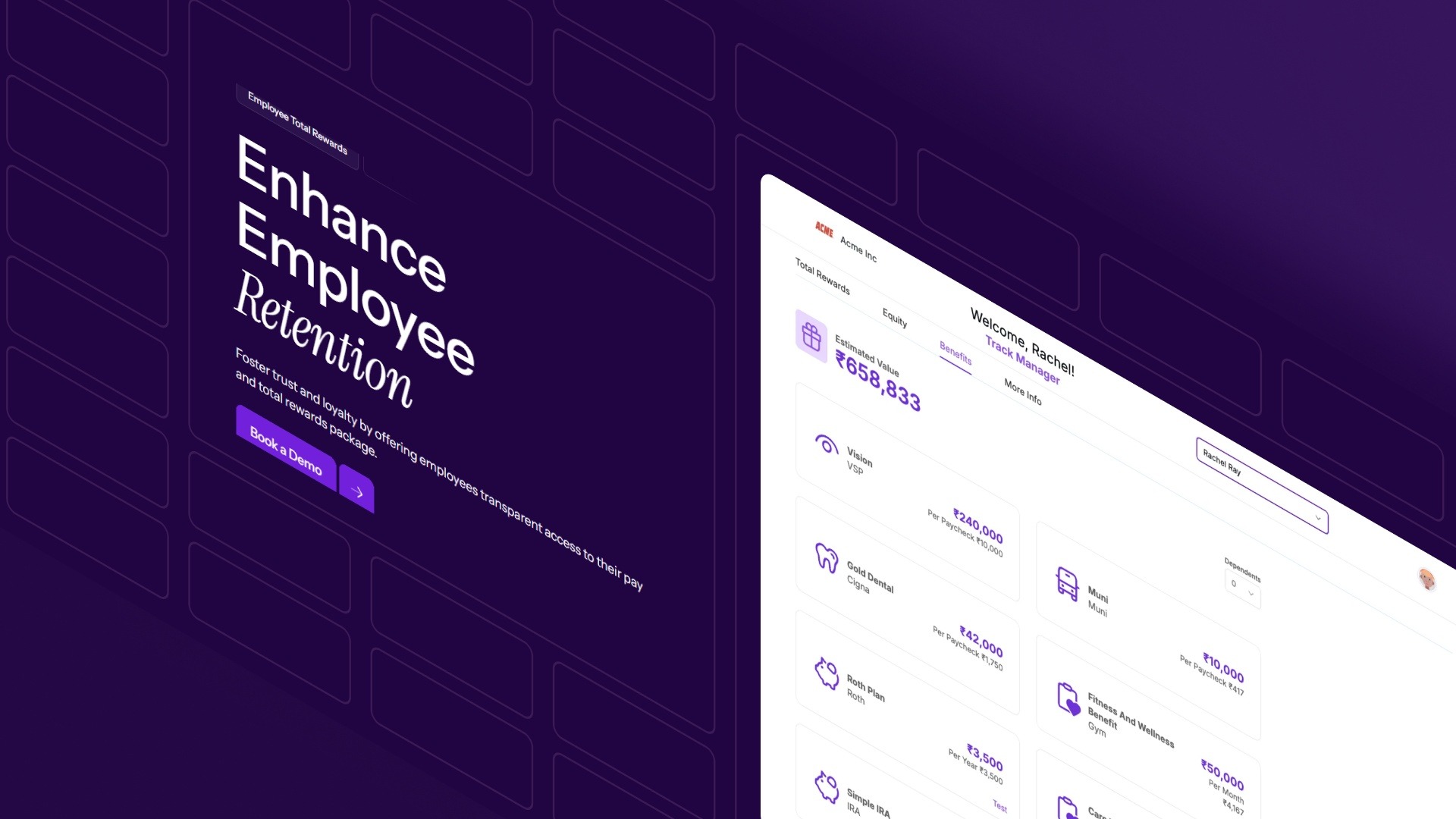
- Employee Total Rewards: Combines salary, bonus, equity, and benefits to model full employee cost and reduce underestimation in forecasts.
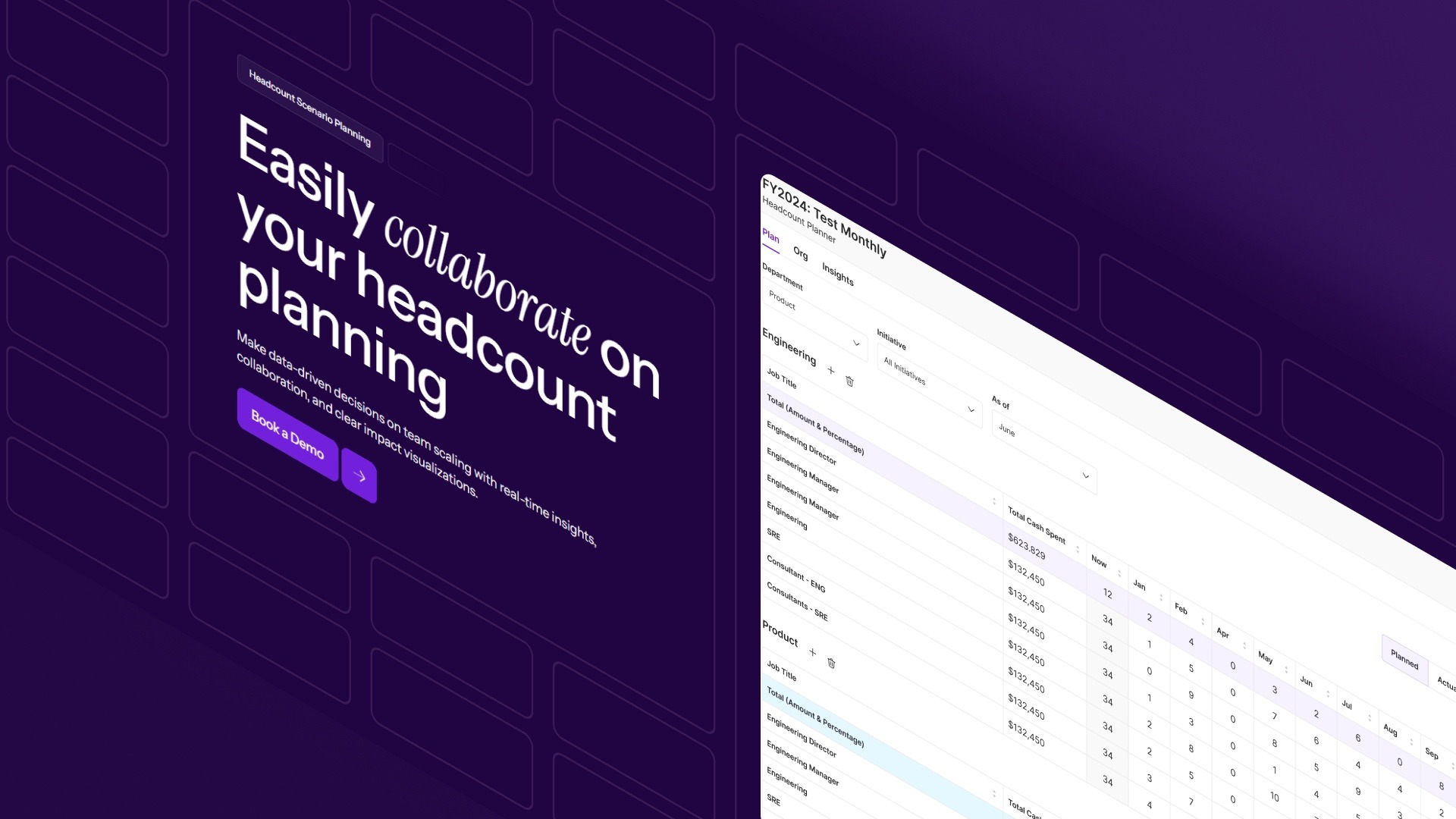
- Headcount Scenario Planning: Let's teams compare hiring scenarios and budget impact to improve planning confidence before execution.
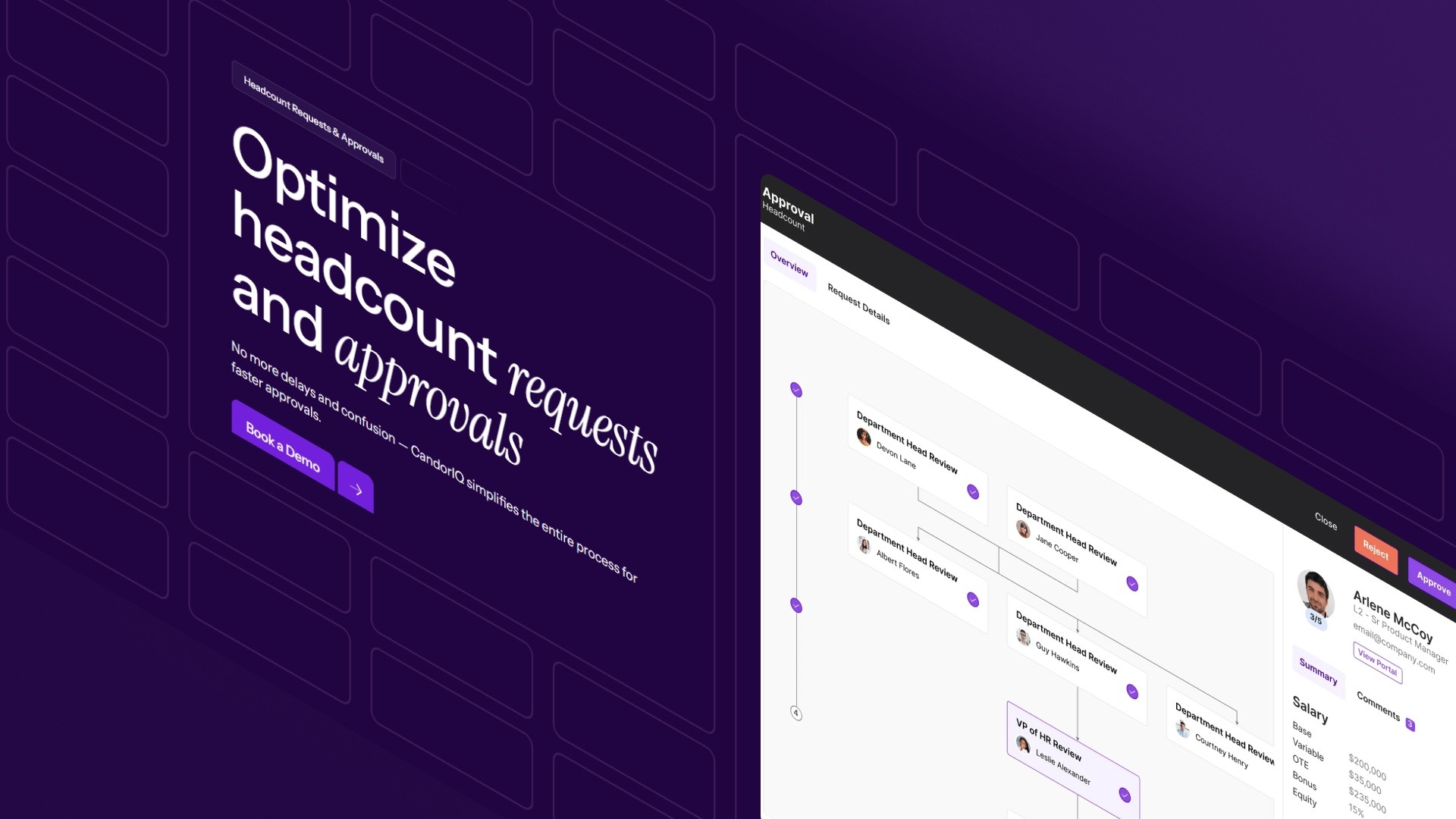
- Headcount Requests & Approvals: Standardizes hiring requests with embedded budgets so new roles reflect in forecasts early.
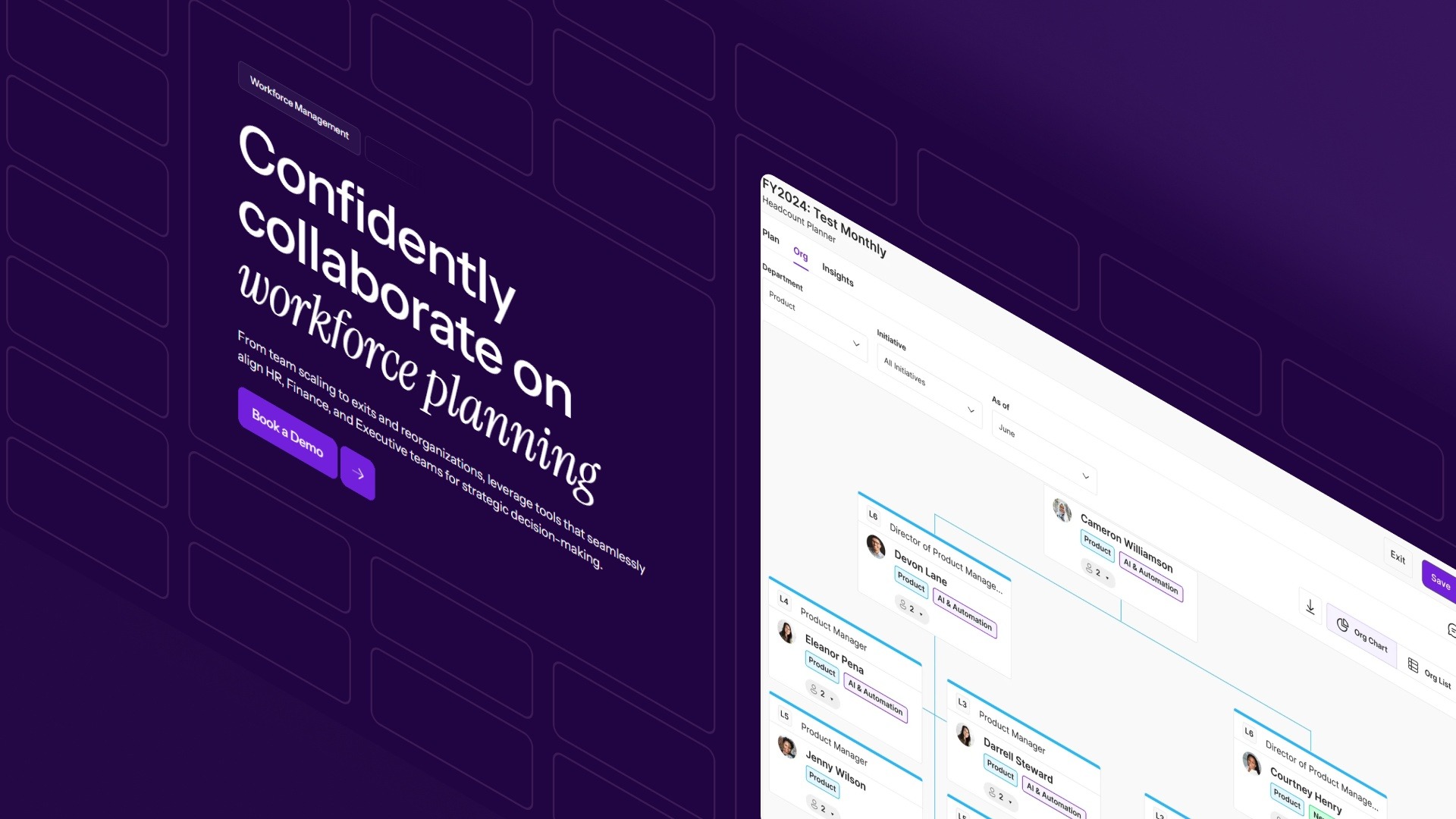
- Workforce Management: Tracks real-time headcount, attrition, and open roles to compare planned vs actual workforce.
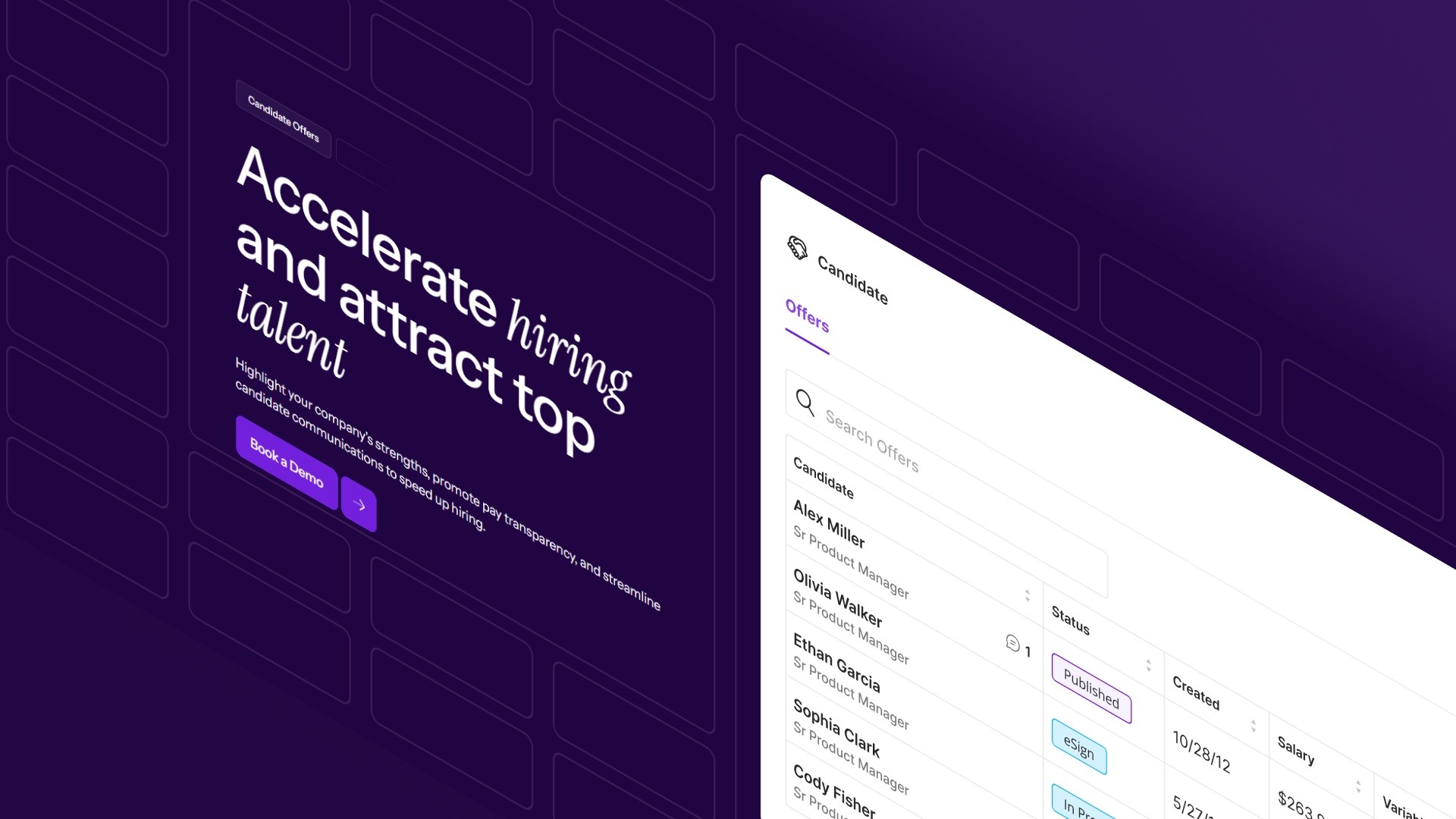
- Candidate Offers: Aligns offers with pay bands and approvals to avoid cost surprises in hiring forecasts.
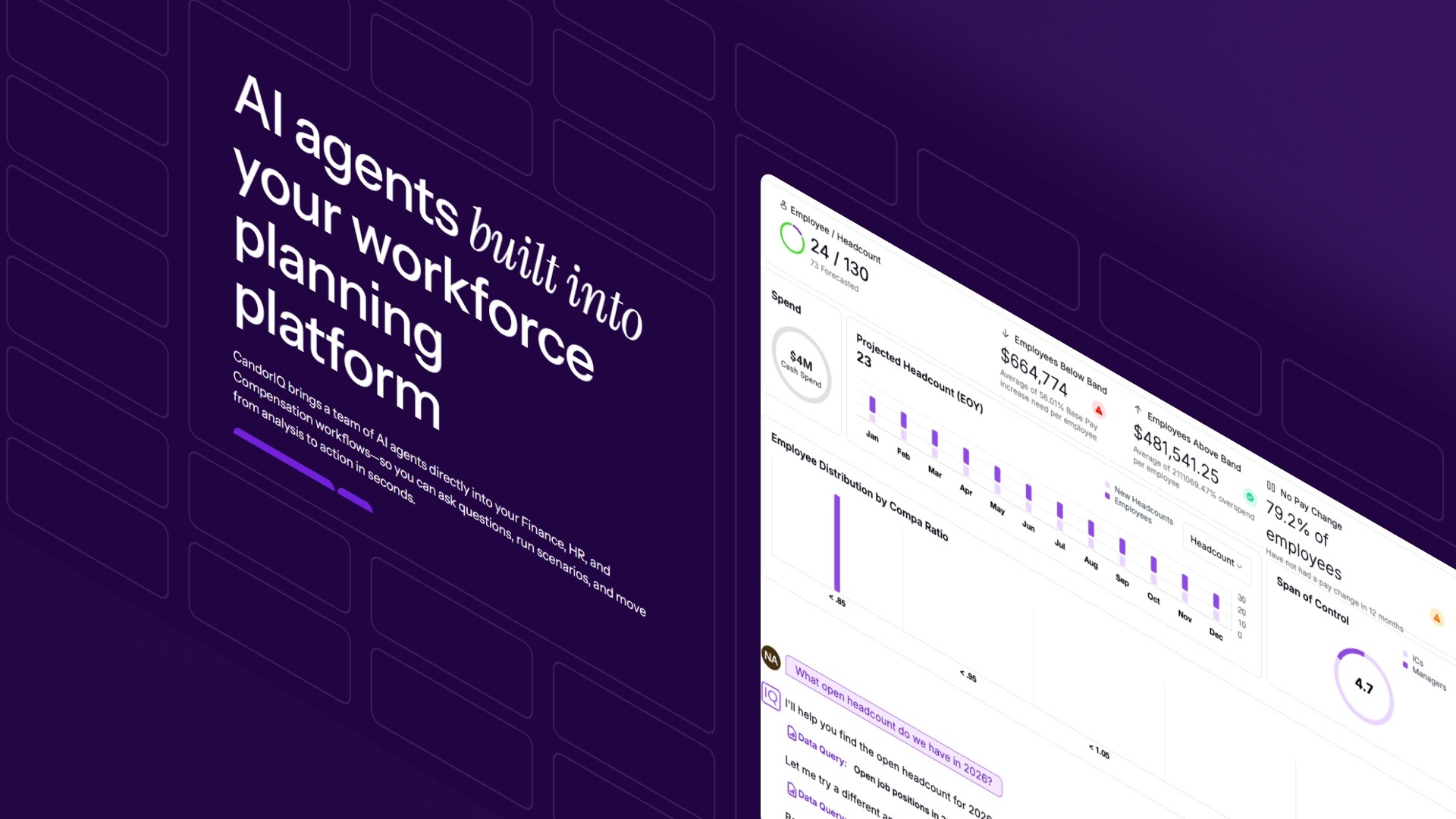
- AI Agent: Uses workforce data to run scenarios and surface insights, reducing manual effort in forecasting analysis.
If you are looking to improve visibility, accuracy, and decision-making in workforce planning, contact us today.
.png)
FAQs
1. What role do AI and machine learning play in enhancing headcount predictions?
AI and machine learning improve headcount predictions by analyzing historical hiring data, attrition trends, and business demand signals. They detect patterns, reduce human bias, and help teams model scenarios more quickly. For U.S. workforce planning, they are most useful when paired with clean data and clear assumptions.
2. How does incorporating hiring lead times improve short-term headcount accuracy?
Incorporating hiring lead times improves accuracy by factoring in time-to-fill roles, candidate pipeline conversion rates, and onboarding delays. This ensures forecasts reflect realistic hiring speed, preventing overestimation of available talent in the short term.
3. How can zero-based forecasting methods enhance headcount planning reliability?
Zero-based forecasting can improve reliability by rebuilding headcount plans from current business needs instead of relying too heavily on prior-year assumptions. That approach works best when U.S. teams review demand, budget, and role requirements together each cycle.
4. What impact does regular forecast vs. actuals reconciliation have on future accuracy?
Regular reconciliation helps identify gaps between planned and actual headcount, uncovering recurring forecasting errors. It improves future accuracy by refining assumptions, adjusting models, and strengthening overall planning discipline through continuous feedback.
5. How frequently should headcount forecasts be reviewed and adjusted for optimal accuracy?
Headcount forecasts should ideally be reviewed monthly in most organizations, with quarterly deep reviews. High-growth or volatile environments may require more frequent updates to ensure forecasts stay aligned with rapidly changing business conditions.
Ready to modernize your workforce and compensation strategy?
See how CandorIQ brings workforce planning and compensation together with AI.