

Compensation News This Week: AI Is Starting to Change Workforce Decisions Faster Than Companies Expected
A lot of compensation conversations right now aren’t actually about compensation alone anymore. They’re about AI, workforce structure, and how companies are redefining value internally. This week especially, a few stories stood out because they all point to the same thing: companies are starting to rethink not just who they hire, but how compensation decisions themselves are made. Here’s what caught my attention and what it actually means.
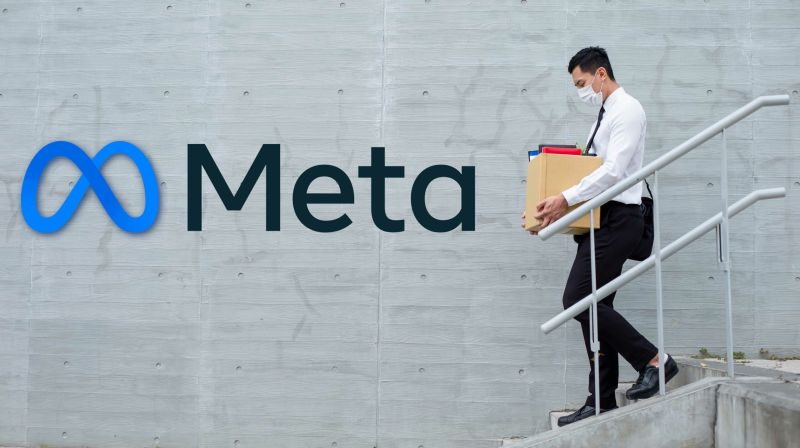

1. Meta’s Layoffs Turned Into a Bigger Workforce Question
Meta’s recent layoffs quickly became more than just another tech layoff headline.
The bigger conversation inside the company reportedly became:
- What skills are still valuable in an AI-first company?
- Do employees now need to move closer to AI teams?
- How does compensation change when AI talent becomes the highest priority internally?
This is becoming a bigger pattern across tech:
AI hiring demand keeps increasing while companies simultaneously flatten teams and reduce headcount elsewhere.
What this means for compensation:
- AI-critical talent gets priced differently
- Internal pay gaps widen faster
- Employees increasingly compare “future-proof” roles vs. traditional roles
- Compensation becomes directly tied to company strategy, not just job title
The challenge for companies now isn’t just paying competitively.
It’s explaining why certain roles are suddenly valued differently than others.
2. Europe’s Pay Transparency Push Is Becoming an Operational Problem
The EU Pay Transparency Directive deadline is getting closer, and multiple countries are already signaling concerns about implementation timelines.
But the biggest realization companies are having: pay transparency is much bigger than publishing salary bands.
The hard part is whether compensation decisions can actually be explained consistently across:
- managers
- departments
- locations
- promotions
- hiring decisions
Because once transparency increases, inconsistency becomes visible very quickly.
What this means for compensation teams:
- pay philosophy matters more
- leveling frameworks matter more
- documentation matters more
- manager calibration matters more
The risk is no longer just compliance.
It’s credibility.
3. Microsoft’s Retirement Program Signals Workforce Restructuring Is Already Happening
Microsoft recently introduced a voluntary retirement program while continuing aggressive investment into AI.
That combination matters.
We’re starting to see more companies rethink:
- seniority mix
- organizational layers
- productivity expectations
- workforce planning models
as AI changes how work gets done internally.
This doesn’t necessarily mean fewer jobs overall.
But it does mean companies are reevaluating:
- where headcount creates leverage
- what output expectations look like
- and which roles become strategically important
What this means for compensation:
Traditional compensation structures built around static job descriptions start breaking down when roles evolve faster than compensation frameworks can keep up.
Companies now need compensation systems that are more dynamic, explainable, and connected to real workforce strategy.
Final Takeaway
The biggest compensation shift happening right now isn’t just “pay transparency” or “AI pay premiums.”
It’s that compensation itself is becoming a reflection of how companies think about the future of work.
Who gets paid more.
Which teams get prioritized.
What skills become strategic.
How performance gets measured.
Those decisions are no longer happening once a year during compensation reviews.
They’re happening continuously.
And companies that still treat compensation as a static HR process are going to struggle as workforce decisions become increasingly tied to AI, productivity, and business strategy.
Ready to modernize your workforce and compensation strategy?
See how CandorIQ brings workforce planning and compensation together with AI.