
Employee Management Process: 6 Steps to Improve Retention (2026 Guide)
Understand how the employee management process aligns hiring, performance, and pay. Follow the 6 steps in 2026 to reduce delays and improve consistency.


Hiring plans look solid on paper, yet roles stay open longer than expected, offers fall through, and teams struggle to retain key talent. In fact, 40.3% of U.S. organizations report difficulty hiring or retaining talent for critical roles, pointing to gaps in how employee management processes actually operate day to day.
For People Ops leaders, the challenge is not defining policies. It is making sure hiring, performance, and compensation decisions stay consistent as more managers get involved and teams grow. When these decisions are handled differently across departments, small gaps turn into delayed approvals, uneven pay, and missed hiring targets.
A structured process helps connect hiring, compensation, and approval decisions into one workflow, so teams can move faster without losing control.
In this employee management guide, you will learn how the process works, where it breaks, and how to fix it.
Key Takeaways
- Inconsistent hiring, performance, and compensation decisions often start when managers operate without shared workflows, leading to delays, uneven pay, and missed hiring targets.
- A structured employee management process connects HRIS data, approvals, and workflows, ensuring decisions stay aligned with budget and overall business priorities.
- Breakdowns typically appear as teams scale, when approvals slow down, performance ratings vary across teams, and compensation decisions become inconsistent.
- Systems that connect headcount planning, compensation, and approvals reduce manual coordination and help teams make faster, more consistent decisions.
What Is an Employee Management Process?
An employee management process is a structured system used to manage hiring, performance, compensation, and retention decisions. It connects HRIS data, workflows, and approvals to ensure consistent and trackable execution across the employee lifecycle.
Core operational layers that define how employee management functions day to day:
- Workforce Acquisition: Role scoping, hiring approvals, and onboarding workflows tied to budgeted headcount, not ad hoc hiring requests.
- Performance Execution: Continuous KPI (Key Performance Indicator) tracking with defined review cycles influencing promotions, exits, and compensation adjustments.
- Compensation Structuring: Salary bands, variable pay logic, and equity allocation aligned to market benchmarks and internal pay frameworks.
- Employee Lifecycle Operations: Role changes, promotions, and exits are tracked with audit trails to maintain consistency across teams.
- Compliance and Records: Policy enforcement, employee data security, and documentation managed through HRIS systems to reduce operational risk.
This process ensures every employee-related decision is structured, traceable, and aligned with business constraints, rather than driven by inconsistent manager-level judgment.
Quick Self-Check: Is Your Employee Management Process Broken?
- Are hiring approvals tied to budgeted headcount?
- Do similar roles follow the same pay ranges?
- Are performance ratings calibrated across teams?
- Can you track headcount vs plan in real time?
If you answered no to 2 or more, your process likely has structural gaps.
This approach keeps employee decisions predictable and aligned, reducing confusion, avoiding rework, and helping People Ops maintain control as hiring and team complexity increase.
How to Build an Employee Management Process Without Inconsistencies
Building a strong management process means structuring how hiring, performance, compensation, and retention decisions are made. It combines HRIS, defined workflows, and manager accountability so decisions remain consistent, measurable, and aligned with the budget as teams grow.
6 Step-by-Step Employee Management Process (Quick View)
This gives a quick look at where employee management breaks and what needs to be structured to keep decisions consistent as teams scale.
Each step focuses on a key decision point and how to standardize it as complexity increases.
1. Define the Scope of the Process
Start by deciding which decisions this process should control, such as hiring approvals, performance reviews, promotions, pay changes, and exits. Then assign ownership for each one so managers do not make exceptions on their own.
What your team should do:
- List every employee decision that needs a formal workflow
- Assign clear ownership across HR, Finance, and managers
- Separate performance conversations from salary decisions
- Define when escalation or exception approval is required
This prevents managers from applying different rules across teams and reduces pay misalignment later.
2. Put the Right Systems in Place
Once the scope is clear, move the process into systems that can support it. If approvals, salary changes, and employee records sit across spreadsheets, email, and disconnected tools, delays and inconsistencies will keep growing.
What your team should do:
- Centralize employee data inside your HRIS
- Connect hiring, payroll, and finance tools where possible
- Automate approval steps for hiring and promotions
- Keep audit trails for salary changes and role updates
This gives teams one source of truth and reduces delays caused by poor visibility.
3. Set the Metrics That Will Drive Decisions
Do not stop at defining KPIs and review cycles. Decide how those measures will be used in promotion, pay, and performance discussions so managers are not interpreting them differently.
What your team should do:
- Define the few performance measures that matter for each role
- Align goals with business priorities and team outcomes
- Set a review cadence that all managers must follow
- Decide how performance data will influence promotions and raises
For example, if one manager rewards output volume while another rewards business impact, similar employees may end up with different ratings and salary outcomes. Standardizing the criteria reduces that risk.
4. Train Managers to Apply the Process Consistently
A process only works if managers know how to use it. Even strong systems break when one manager gives inflated ratings, another skips feedback, and a third makes compensation recommendations without evidence.
What your team should do:
- Use standard review templates across teams
- Run calibration sessions before finalizing ratings
- Require written justification for promotions and pay changes
- Train managers to document feedback throughout the cycle
This helps ensure employees in similar roles are evaluated on the same basis, not according to manager style.
5. Build Clear Approval Workflows
Do not leave approvals to informal messages or last-minute escalations. Map how hiring requests, promotions, and compensation changes move from manager request to final approval.
What your team should do:
- Define approval paths by decision type and budget level
- Show managers when a Finance, HR, or leadership sign-off is needed
- Train teams on the workflow before rollout
- Create support channels for exceptions and urgent cases
This reduces bypassed approvals, cuts confusion, and keeps decisions aligned with the budget.
6. Monitor the Process and Fix Gaps Early
Once the process is live, track where it breaks. Look for delayed approvals, inconsistent ratings, repeated exceptions, and teams that are ignoring the workflow.
What your team should do:
- Track approval times, exception rates, and missed review cycles
- Review feedback from managers, HR, and Finance regularly
- Identify teams where policies are bypassed most often
- Update workflows before small issues spread across functions
For example, if promotion requests are repeatedly delayed at the same approval stage, the issue may be workflow design rather than manager behavior. Monitoring helps you fix the real cause early.
This approach ensures employee management moves from informal coordination to a structured system where every decision is consistent, trackable, and aligned with business priorities.
When employee management starts breaking across locations or teams, it usually comes down to a lack of standardized processes. Learn how global teams handle this in global human resource management: strategies and best practices
When Should You Rethink Your Employee Management Process?
You should rethink your process when hiring, performance, and compensation decisions start feeling inconsistent or slow. This usually happens when teams rely on periodic reviews instead of real-time inputs, and when HRIS data does not reflect actual employee contributions.
Clear signals that your current process is starting to break:
- Inconsistent Decisions: Similar roles receive different promotions or salary changes depending on the manager making the call.
- Unclear Performance Signals: Employees hit KPIs (Key Performance Indicators), but outcomes like promotions or rewards do not match expectations.
- Manager Time Misused: Managers spend more time on admin work than on coaching or developing their teams.
- Unexpected Attrition: High performers leave even after strong reviews, showing a gap between ratings and real experience.
- Low Process Trust: Employees question how decisions are made, leading to lower participation in reviews or feedback cycles.
When workplace needs are actually addressed, employees respond positively, with 91% reporting higher satisfaction. This shows how gaps in your management process can directly impact retention and day-to-day engagement.
What Practical Changes Improve Employee Management Day to Day
Day-to-day employee management improves when managers shift from periodic reviews to real-time execution. This means embedding feedback, decisions, and updates into daily workflows using HRIS tools, instead of relying on end-of-cycle evaluations that delay action and reduce clarity.
Daily execution changes that directly improve how employee management works:
- Real-Time Feedback Loops: Managers give feedback during work, not after cycles, so employees adjust quickly instead of repeating mistakes.
- Manager as Coach: Managers use active listening to guide decisions, not just evaluate outcomes, improving performance consistency.
- Self-Service Operations: Employees update data or request changes through HRIS, reducing delays caused by manual HR intervention.
- Automated Task Flows: Onboarding, reviews, and updates follow automated steps, removing dependency on follow-ups or reminders.
- Visible Work Signals: Teams track progress and blockers in shared systems, avoiding confusion from scattered communication.
These changes reduce delays, improve clarity, and ensure employee decisions are made continuously, not postponed until formal review cycles.
As teams scale, relying on disconnected tools creates more delays and inconsistencies than expected. See which platforms help solve this in the top 6 people management systems to consider in 2025.
What Systems Teams Use When Employee Management Starts Breaking at Scale
Employee management at scale requires systems that centralize data, automate workflows, and standardize decisions across teams. This includes HRIS, EMS (Employee Management System), and supporting tools that connect hiring, performance, and compensation workflows so decisions remain consistent as headcount and organizational complexity increase.
Core systems that structure employee management across growing teams:
- Centralized HRIS Platform: Stores employee data, roles, and compensation history, so decisions are not based on outdated or fragmented information.
- Workflow Automation Systems: Automate hiring, promotion, and approval flows, reducing delays from manual coordination across managers.
- People Analytics Tools: Analyze workforce data to identify patterns like attrition or performance gaps, improving decision accuracy.
- Real-Time Feedback Systems: Allow feedback during work, replacing delayed evaluations with immediate performance adjustments.
- Compensation And Planning Platforms: Tools like CandorIQ connect pay decisions with headcount plans, preventing budget and hiring misalignment.
These systems replace manual processes with structured workflows, ensuring decisions remain consistent, visible, and aligned as teams grow across departments and locations.
Most teams try to manage these decisions using spreadsheets and disconnected tools before moving to structured systems that connect hiring, compensation, and approvals.
When retention issues are linked to pay decisions, the problem is often how compensation strategies are designed and executed. Learn how to fix this in the top compensation management strategies for employee retention.
.png)
How CandorIQ Supports Structured Employee Management
CandorIQ supports structured employee management by connecting compensation, headcount, and workforce decisions into one system. It replaces disconnected tools with product-led workflows that align HR and Finance, ensuring every hiring, pay, and approval decision follows consistent rules with real-time visibility.
Core CandorIQ products that structure employee management across decisions:
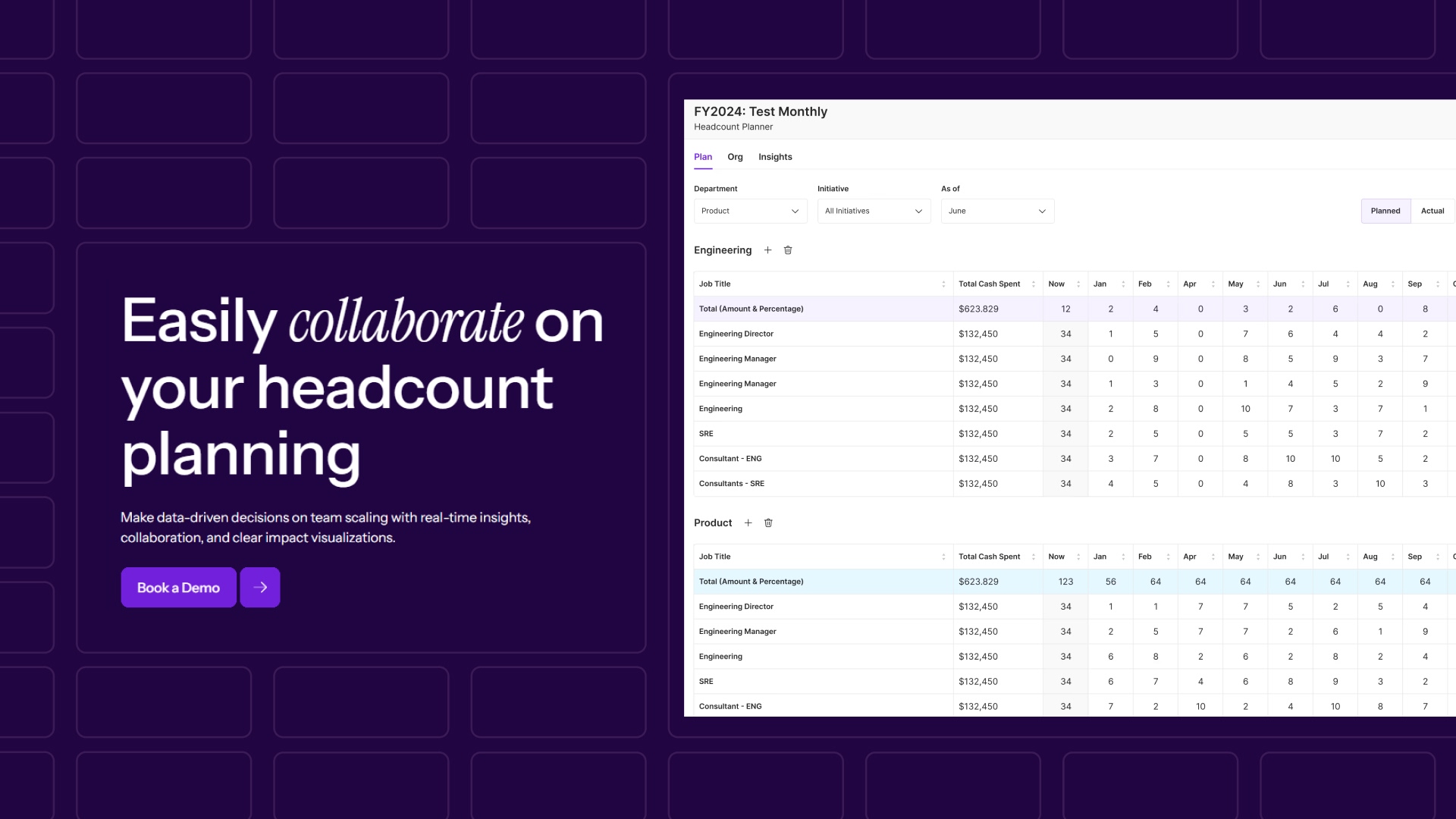
- CandorIQ helps teams model hiring plans, org changes, and budget impact before any decision is approved. You can test different workforce scenarios, including growth targets, cost trade-offs, and team structure changes, without relying on static spreadsheets.
- This helps teams plan headcount with more clarity, avoid overhiring, and keep workforce growth aligned with business and budget goals.
- Headcount Requests And Approvals:
.jpg)
- CandorIQ replaces scattered spreadsheets, Slack messages, and email threads with structured workflows for hiring requests and approvals. Every request moves through the right stakeholders with clear visibility into budget, role status, and approval history.
- This reduces approval delays, prevents off-plan hiring, and gives HR and Finance better control as hiring volumes increase.
- Compensation Cycle:
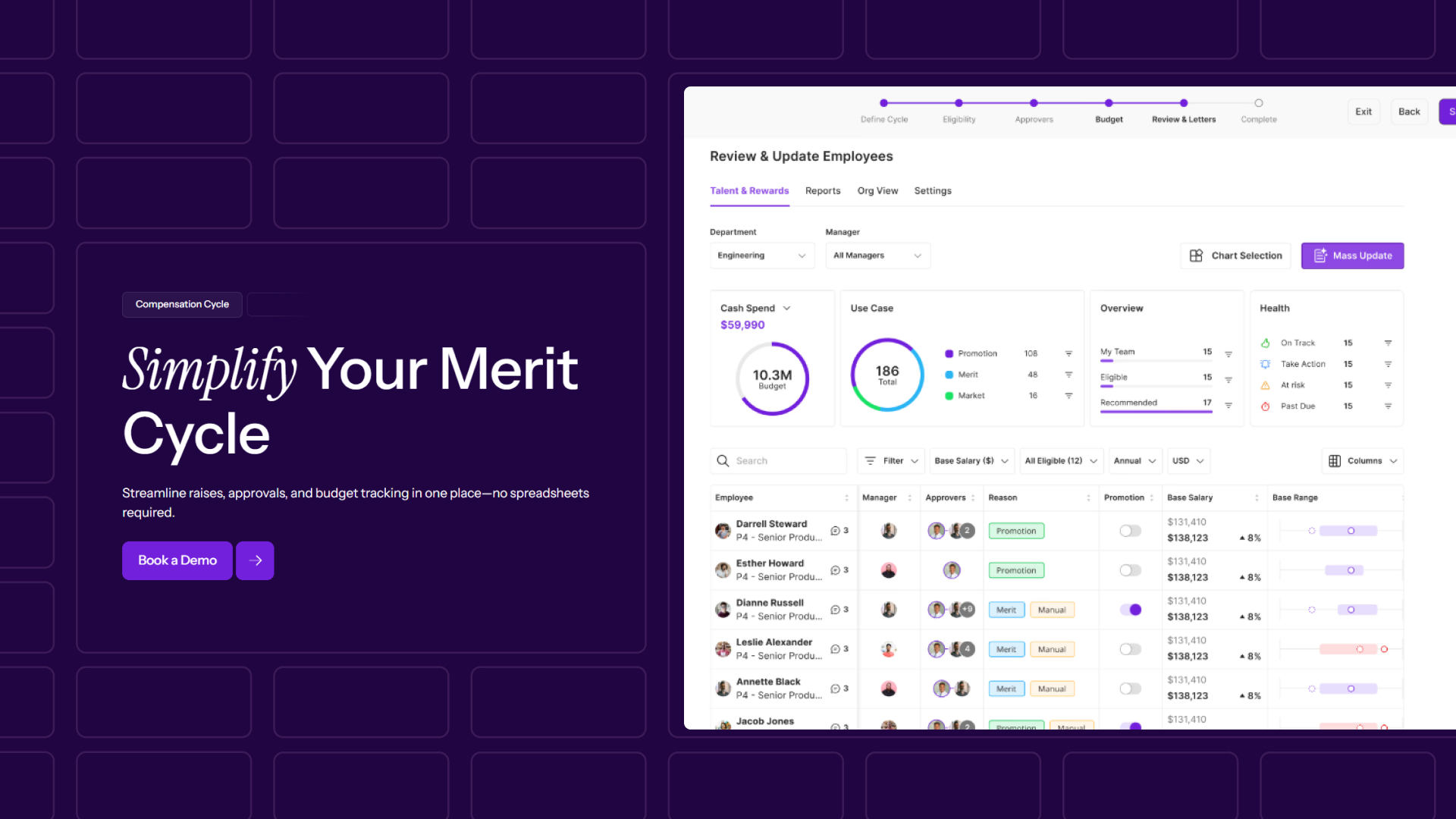
- CandorIQ helps teams run merit and compensation cycles faster with built-in workflows for recommendations, reporting, reward letters, spend tracking, and progress monitoring. It replaces manual coordination with a structured process that is easier to manage and audit.
- This helps teams complete compensation reviews faster, reduce inconsistencies in reward decisions, and stay within budget throughout the cycle.
- Compensation And Payband Builder:
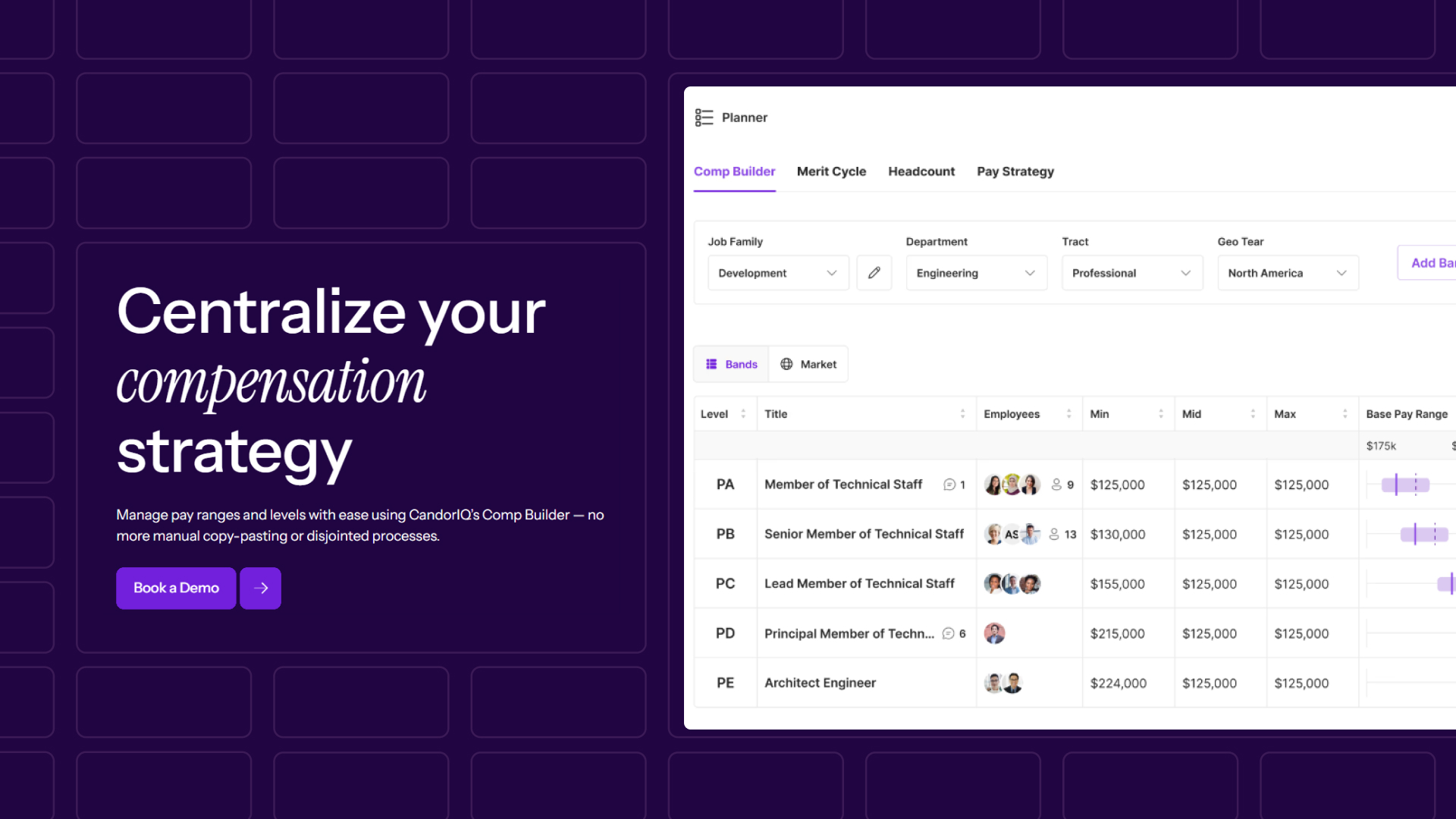
- CandorIQ helps teams build job architecture, map employees to levels, and create pay bands using market benchmarking data and AI-assisted matching. It turns a process that often takes months of consultant-led effort into something teams can build and maintain directly in the platform.
- This gives leaders a stronger foundation for fair, defensible pay decisions and helps reduce compensation inconsistencies across roles, levels, and locations.
- Workforce Management:
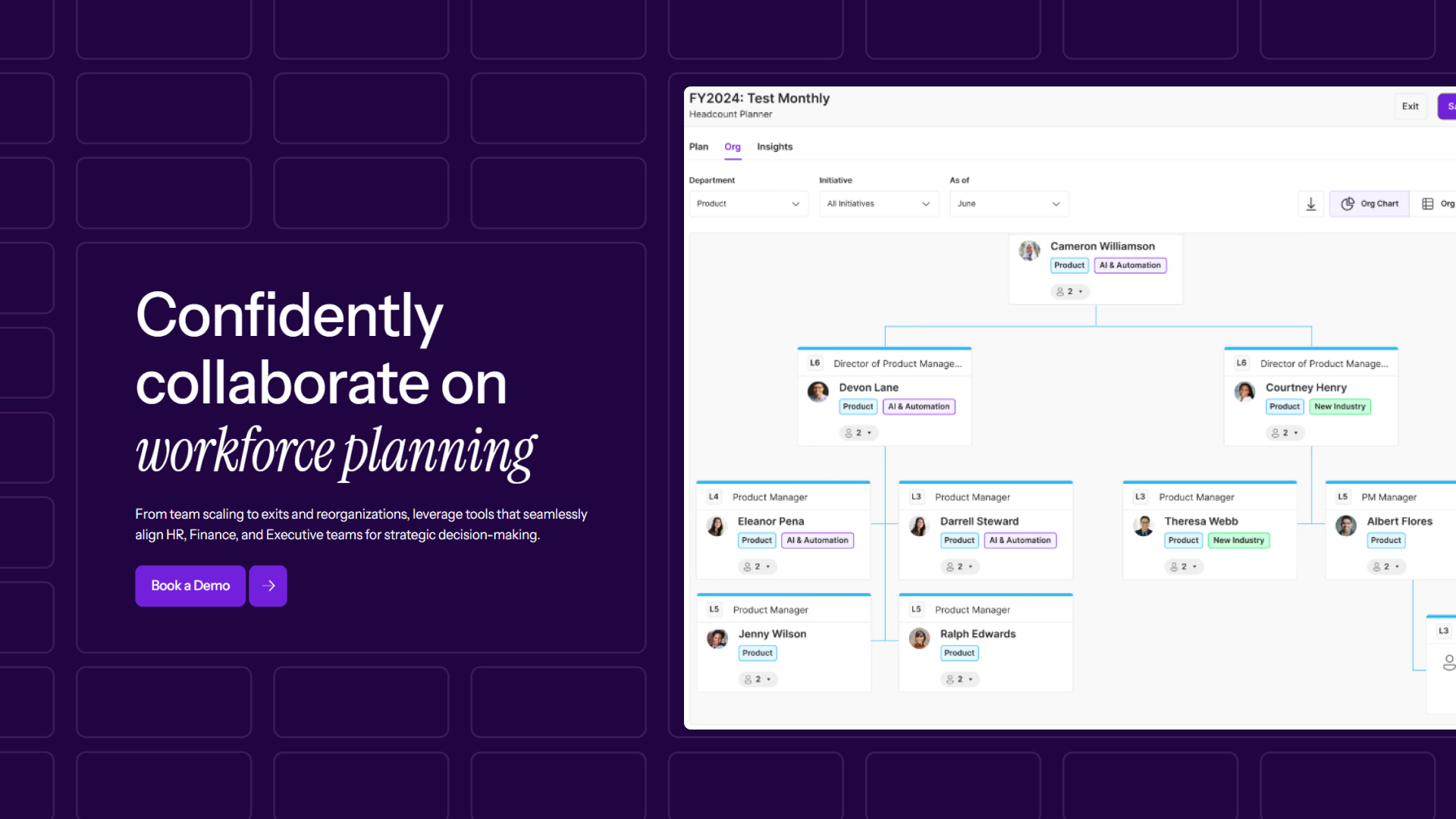
- CandorIQ gives teams a unified view of workforce spend, headcount, role changes, and employment types across geographies and teams. It helps HR and Finance track what is planned versus what is actually happening, without pulling data from disconnected systems.
- This improves visibility into workforce costs, reduces reporting gaps, and helps teams manage hiring and people spend with more accuracy day to day.
FAQs About Employee Management Process
1. How do structured approval workflows improve hiring timelines?
They connect role requests to budgeted headcount and defined approval paths, which helps teams move faster and reduces last-minute pushback.
2. Why do hiring and pay decisions become inconsistent during rapid growth?
Inconsistency usually appears when hiring, compensation, and approvals sit in separate workflows. As more managers get involved, delays and uneven decisions increase.
3. How can pay structures reduce compensation inconsistencies?
Clear salary bands linked to role levels help teams make more consistent pay decisions and reduce unjustified differences across similar roles.
4. What role does HRIS play in keeping decisions consistent?
HRIS centralizes employee data, role history, and pay information so teams can act on current records instead of scattered or outdated inputs.
5. What early signs show that the system is starting to break?
Common warning signs include slow approvals, unclear role expectations, inconsistent salary offers, and repeated back-and-forth between HR and Finance.
Ready to modernize your workforce and compensation strategy?
See how CandorIQ brings workforce planning and compensation together with AI.